By: Adysti Rizki Anggraini
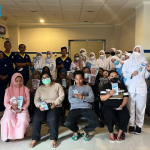
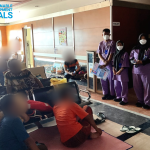
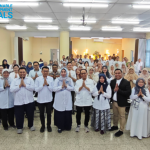
NERS NEWS – Students from the Faculty of Nursing, Airlangga University (Class A3, Batch 2023, Group A5), conducted a health promotion program as part of their clinical nursing education. The event took place on Thursday, February 12, 2026, from 11:00 to 11:30 WIB at the IRNA 4 Pediatrics Ward, Airlangga University Hospital, targeting pediatric patients and their families. This initiative aimed to instill clean and healthy living behaviors through education on the WHO-standard six steps of proper handwashing.
The activity was supervised by Pediatric Nursing Academic Advisor, Prof. Dr. Yuni Sufyanti Arief, S.Kp., M.Kes., and Clinical Instructor (CI) Widia Yuniarti, S.Kep., Ns., both of whom provided guidance and support throughout the session.
The program engaged parents of pediatric patients waiting for services at IRNA 4 Pediatrics. It began with student introductions and an explanation of the program’s objectives, followed by a brief discussion to assess the participants’ prior knowledge of hand hygiene. The material was delivered interactively using PowerPoint and leaflets, complemented by practical demonstrations and a Q&A session to ensure clear understanding.
During the presentation, the team explained that handwashing involves cleaning hands with running water and soap to eliminate germs, bacteria, and viruses. This habit is critical as hands are a primary medium for disease transmission, especially in hospital environments prone to infection. Participants were also introduced to seven critical times for handwashing, such as before eating, after using the toilet, after coughing or sneezing, and after outdoor activities, encouraging these practices to become a daily routine.
The core of the session highlighted the six-step handwashing method recommended by the WHO: wetting hands with running water and soap, rubbing palms and the backs of hands, cleaning between fingers, rotating the thumbs, cleaning fingertips, and finally rinsing and drying. To help participants remember, the steps were simplified using the Indonesian mnemonic “tepung selaci puput.” Additionally, the team detailed the necessary supplies—including clean running water, soap, drying tools, and proper sinks—to ensure optimal hand hygiene practice.
Through this brief yet impactful activity, the students hope that the simple message of handwashing will significantly improve public health and help prevent disease transmission from an early age. This initiative aligns with the Sustainable Development Goals (SDGs), specifically SDG 3 (Good Health and Well-Being) through promotive and preventive efforts, SDG 4 (Quality Education) by providing science-based health education, and SDG 17 (Partnerships for the Goals) through the collaboration between educational institutions and hospitals to support sustainable health development.
Writer: Hanin Salwa Esa Ramadhani
Editor: Farah Dina Azizatul Aulia (Airlangga Nursing Journalist)