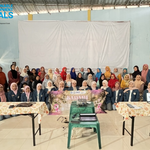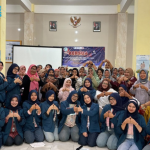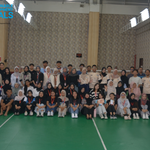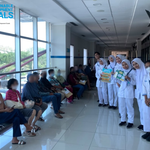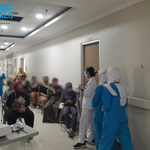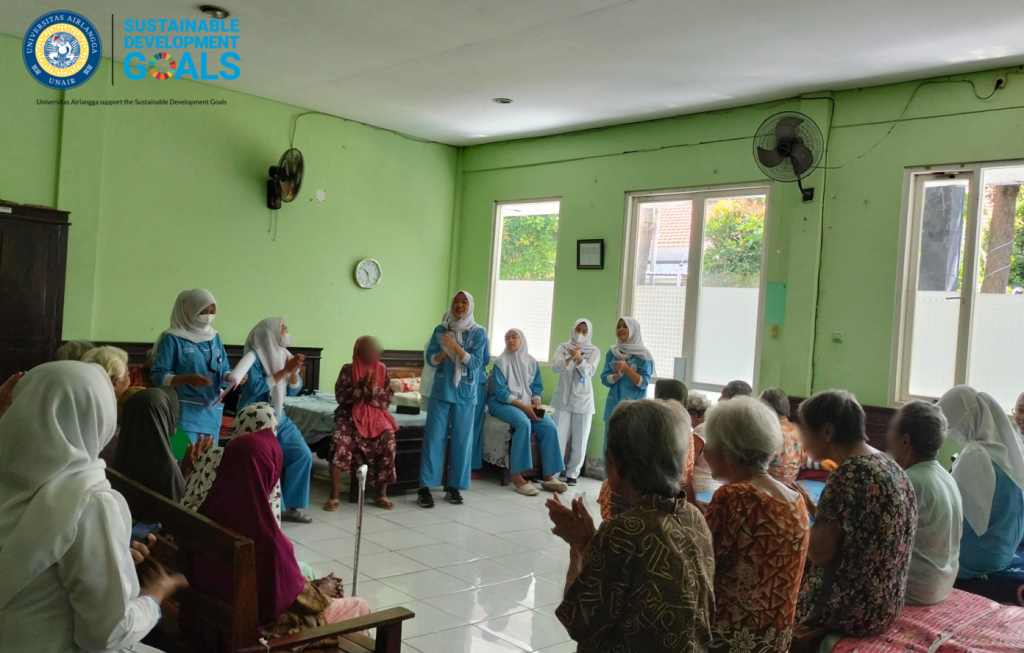
NERS NEWS – Efforts to improve the health of older adults in controlling hypertension continue to be carried out through promotive and preventive activities. Nursing Profession students conducted a health education session and anti-hypertension exercise program on Saturday, May 2, 2026, at 10:00 a.m. WIB in Block B of UPTD Griya Wreda and Liponsos Kusta Babat Jerawat. This activity was part of the Nursing Profession Practice Program aimed at improving the knowledge and skills of older adults in managing blood pressure through light physical activity.
The activity targeted partially independent older adults, with approximately 10–15 participants who were capable of following instructions independently. The program consisted of group activity therapy focusing on anti-hypertension exercises as a non-pharmacological intervention to reduce blood pressure while improving physical fitness. This activity was motivated by the high prevalence of hypertension among older adults, which is often uncontrolled and may lead to serious complications such as heart disease and stroke. Therefore, education combined with direct practice was considered an effective approach to increasing awareness and encouraging behavioral changes toward a healthier lifestyle.
The educational session was not conducted in a one-way format only, but was delivered interactively through lectures and discussions supported by leaflet media. During the session, the presenters comprehensively explained hypertension, including its definition as a condition of blood pressure ≥140/90 mmHg, risk factors such as aging, genetics, lack of physical activity, high-salt diets, smoking habits, and alcohol consumption. In addition, participants were provided with an understanding of the importance of non-pharmacological hypertension management through regular physical activities such as elderly exercise programs.
The presenters also explained the various benefits of anti-hypertension exercises, including helping to lower blood pressure, improving heart function, reducing stress, and maintaining blood vessel elasticity. The educational session was conducted in a conducive atmosphere, with participants actively listening and engaging in discussions. As part of active learning, the activity continued with a direct practice session of anti-hypertension exercises guided by the organizing team. The exercise session began with a warm-up phase consisting of marching in place, followed by core movements such as clapping, interlocking hands, finger and body movements, squatting, and tiptoeing exercises. The activity concluded with a cooling-down phase involving stretching exercises to gradually restore body condition.
The atmosphere throughout the activity was participatory and filled with enthusiasm. Participants were observed performing each movement well and showing strong interest in the educational material provided. In addition to increasing knowledge, this activity also trained motor coordination, concentration, and provided relaxation effects for older adults.
Through this activity, it is hoped that older adults will not only understand the importance of blood pressure control but also be able to regularly practice anti-hypertension exercises in their daily lives. In the future, similar activities are expected to continue developing as part of ongoing efforts to improve the quality of life of older adults sustainably.
Writer: Ananda Putri Pratiwi