
NERS NEWS — Mojokerto — Responding to the challenge of unequal access to healthcare facilities in several regions of Indonesia, the Student Executive Board of the Faculty of Nursing, Universitas Airlangga took concrete steps through the Sustainable Development Goals Community Service program. Initiated in collaboration with the SDGs Center Unair, the program was specifically designed as a form of student concern to help address various health issues in villages in need.
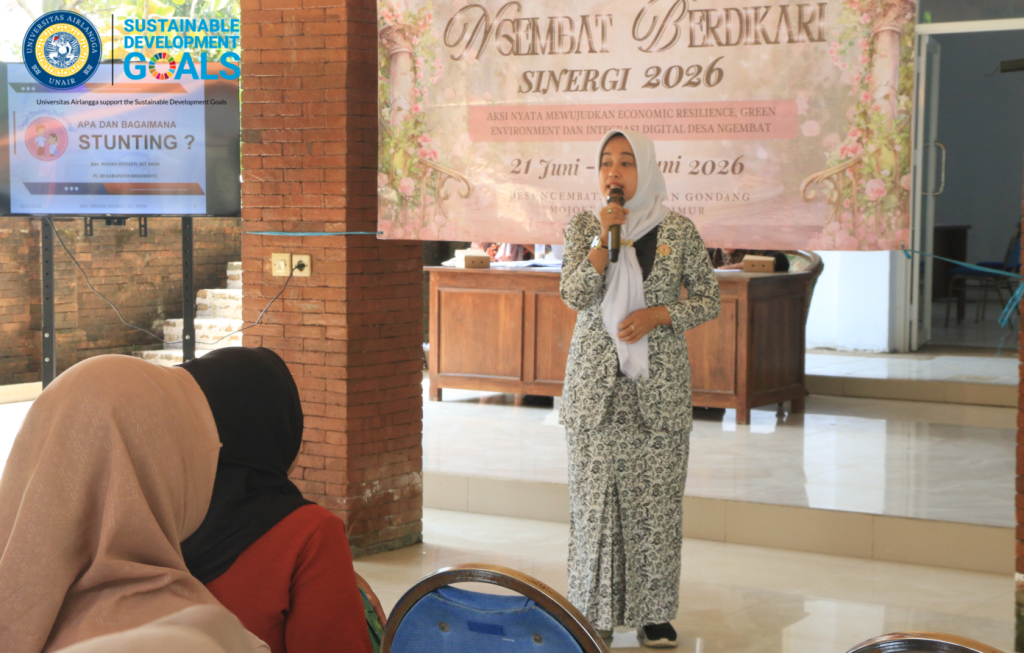
In its implementation, the “Generasi Ngembat” program featured educational activities delivered through a dialogue-based approach to facilitate participants’ understanding of the importance of nutrition during the early stages of a child’s life. The PC IBI, as the main speaker, provided a comprehensive presentation on optimizing the First 1,000 Days of Life (HPK), exclusive breastfeeding practices, and the preparation of complementary feeding (MPASI) menus rich in animal protein to prevent growth failure in children.
The parties involved in the success of this program included lecturers and students from the Faculty of Nursing, Universitas Airlangga, as well as representatives of the Branch Executive Board of the Indonesian Midwives Association (PC IBI) as a collaborative partner and the main speaker. The education was conducted on Monday, June 22, 2026, at the Ngembat Village Hall, bringing together all implementing parties to ensure that the stunting prevention materials were effectively delivered to the target participants.
The “Generasi Ngembat” program aimed to improve health literacy and capacity among pregnant women and parents of children under five regarding the importance of proper nutritional fulfillment from pregnancy. This preventive effort was motivated by the need for greater attention to the incidence of child growth and development disorders caused by chronic malnutrition at the local level. The main benefit of this education was to provide mothers with practical skills in managing the family’s daily nutritional needs, which also served as a concrete form of support for achieving the Sustainable Development Goals (SDGs).
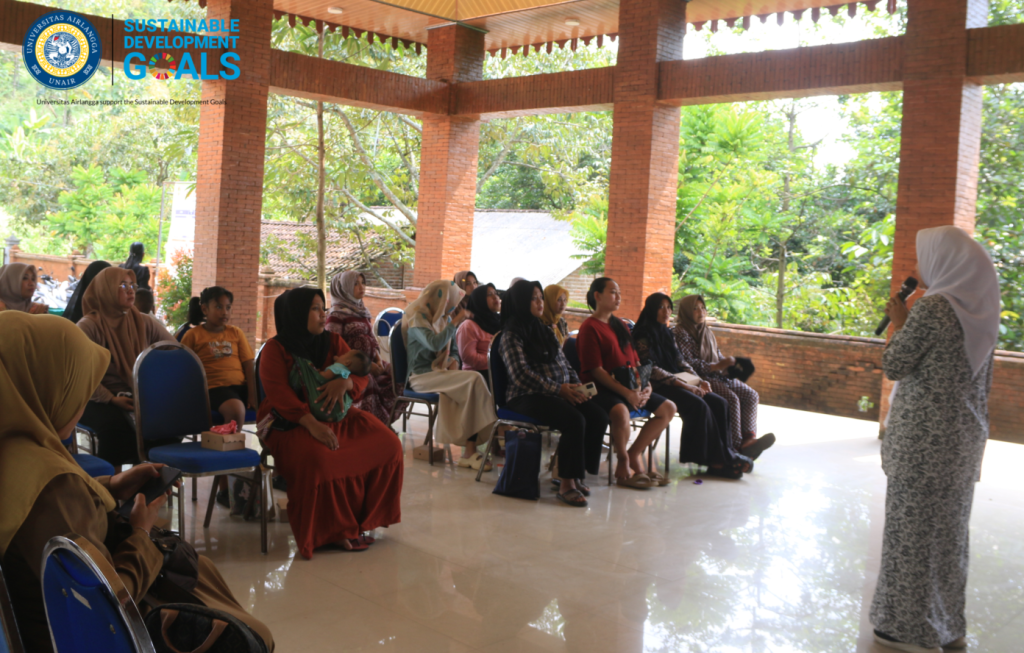
“This collaboration with PC IBI is a strategic step toward bringing together the academic perspective of nursing with the practical experience of midwives in the field. We hope that all the mothers attending today can become agents of change and share the knowledge they have gained with their surrounding communities,” said Najwa Sheryl.
The background of this educational program was based on the continued need for special attention to the incidence of growth and development disorders (stunting) among children caused by chronic malnutrition at the local level, as well as the importance of strengthening health literacy among pregnant women and parents of children under five. The integration of nutrition education and multisectoral collaboration represented a concrete form of commitment to supporting the achievement of Sustainable Development Goals (SDGs) Goal 2, Zero Hunger (Ending Hunger and All Forms of Malnutrition), and Goal 3, Good Health and Well-Being, by strengthening understanding of the First 1,000 Days of Life (HPK) and the practice of providing complementary foods rich in animal protein. This program focused on stunting prevention through community empowerment, enabling families to independently manage their daily nutritional needs. Through this program, the strategic synergy established between academics from the Faculty of Nursing, Universitas Airlangga and field practitioners from PC IBI also contributed to the achievement of SDG 17, Partnerships for the Goals, thereby not only improving the nutrition literacy capacity of village residents but also supporting improvements in the overall quality of life and health of mothers and children.
Through the implementation of the “Generasi Ngembat” program, the Faculty of Nursing, Universitas Airlangga reaffirmed its commitment to community service that has a direct impact on improving the quality of life of mothers and children. Going forward, it is hoped that synergistic programs such as this can continue sustainably to help produce a healthy, intelligent, and stunting-free future generation in support of the achievement of global sustainable development targets.
Writer: Abhriel Madu Kanahayama





