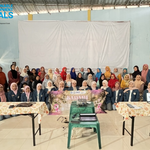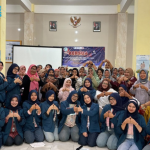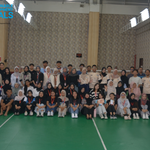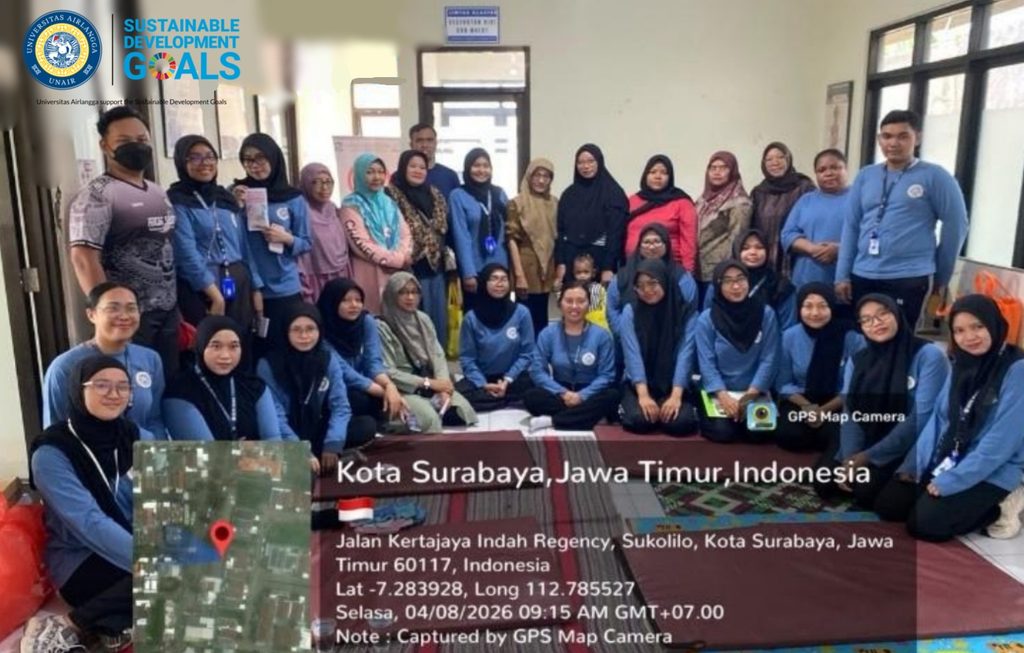
NERS NEWS – On Tuesday, August 4, 2026, a Family Integrated Health Post (Posyandu Keluarga/Posga) activity was held at the Gebang Putih Auxiliary Health Center (Pustu), within the working area of Klampis Ngasem Community Health Center (Puskesmas). The activity consisted of a pregnancy exercise session and a health education session entitled “Healthy Pregnancy Without Anemia: Prevent Anemia for a Healthy Mother and Baby.” The activity was conducted by Nursing Profession students from the Faculty of Nursing, Universitas Airlangga, targeting pregnant women and their companions. The activity took place from 8:00 to 10:00 a.m. as a promotive and preventive effort to improve pregnant women’s understanding of the importance of maintaining health during pregnancy.
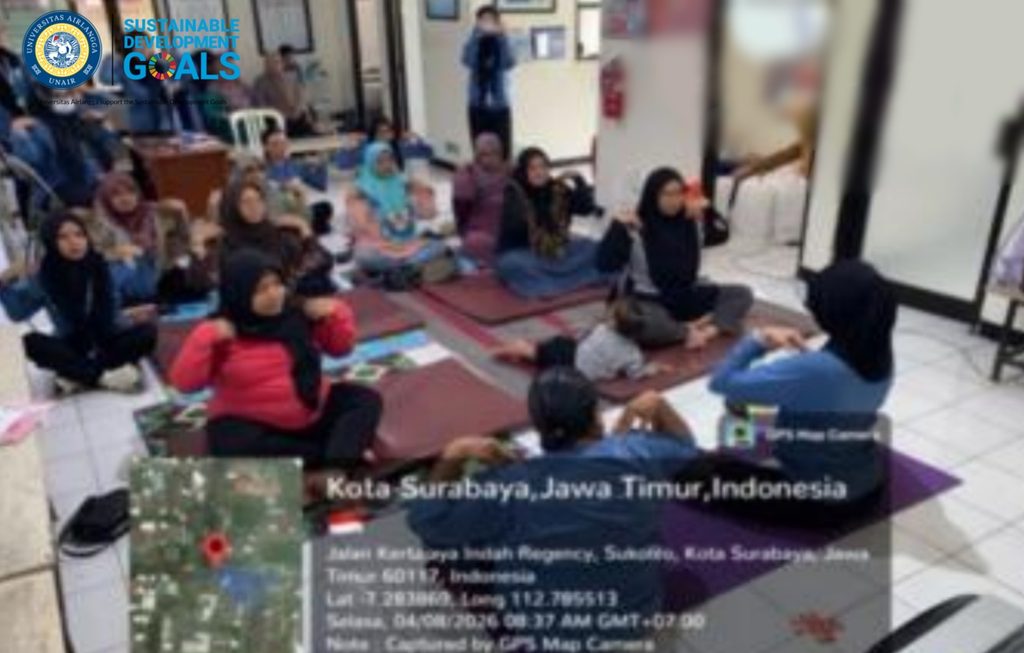
The activity began with a pregnancy exercise session, which was actively followed by the participants. During the exercise, participants were encouraged to perform the movements according to their individual abilities, avoid overexertion, and rest whenever they experienced fatigue or discomfort. After the exercise session, participants attended a health education session on anemia prevention during pregnancy. The session was conducted through interactive lectures, discussions, and question-and-answer sessions, supported by leaflets and a PowerPoint presentation.
The educational materials covered various aspects of anemia during pregnancy, including its definition, causes and risk factors, signs and symptoms, effects on the mother and fetus, and preventive measures. Participants were also educated about the importance of taking Iron and Folic Acid Supplementation (Tablet Tambah Darah/TTD) regularly, consuming foods rich in iron and vitamin C, and attending regular antenatal care (ANC) visits. In addition, participants received information about important considerations when taking TTD and conditions that require pregnant women to seek immediate medical attention at a healthcare facility.
Throughout the activity, participants demonstrated enthusiasm and active involvement, both during the exercise session and while receiving the health education. Participants also actively asked questions about conditions experienced during pregnancy, including fainting in pregnant women with anemia, vomiting after taking TTD, and the use of TTD by pregnant women with high blood pressure. This demonstrated their interest in gaining a better understanding of health conditions during pregnancy and obtaining appropriate health information. Based on observations and discussions, participants showed improved understanding of anemia, its risk factors, signs and symptoms, effects on the mother and fetus, as well as the importance of TTD, nutritious foods, vitamin C, and regular antenatal care.
This health education activity is expected to improve pregnant women’s knowledge, awareness, and ability to prevent anemia during pregnancy and encourage healthy behaviors through regular TTD consumption, adequate nutritional intake, and routine antenatal care. Thus, the activity is expected to contribute to achieving healthy pregnancies and improving the health and well-being of both mothers and babies.
The activity supports several Sustainable Development Goals (SDGs), including:
- SDG 2: Zero Hunger — The activity supports adequate nutritional intake among pregnant women through education on nutritious foods, sources of iron, and vitamin C to help prevent anemia.
- SDG 3: Good Health and Well-Being — The health education helps pregnant women improve their knowledge of anemia prevention and early recognition while encouraging regular antenatal care to maintain the health of both mothers and fetuses.
- SDG 4: Quality Education — The activity provides health education to pregnant women and their companions regarding anemia, prevention, TTD consumption, and healthy dietary practices, enabling participants to apply the knowledge in their daily lives.
- SDG 5: Gender Equality — Improving access to reproductive health information and knowledge empowers women, particularly pregnant women, to maintain their health and make appropriate decisions regarding their own health and pregnancy.
- SDG 17: Partnerships for the Goals — The activity demonstrates collaboration among Nursing Profession students, Klampis Ngasem Community Health Center, the Family Integrated Health Post, and pregnant women and their companions in efforts to improve maternal and child health.
This health education activity is expected to improve pregnant women’s knowledge, awareness, and skills in recognizing and preventing anemia during pregnancy through regular TTD consumption, a balanced and nutritious diet, consumption of foods rich in iron and vitamin C, and regular antenatal care. With improved understanding, pregnant women are expected to be better able to maintain their health throughout pregnancy, thereby supporting maternal and fetal health and promoting a healthy pregnancy through delivery.
Writer: Enjels Puturuhu