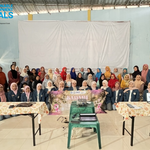
NERS NEWS— The role of family members as caregivers for postoperative patients is crucial in supporting recovery and preventing complications. In response to this need, students from the Nursing Professional Education Program, Faculty of Nursing, Universitas Airlangga (FKp UNAIR), Group 2-S2, successfully organized a Hospital Health Promotion (PKRS) activity entitled “Prevention of Surgical Site Infections.”
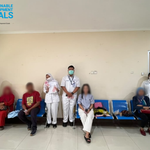
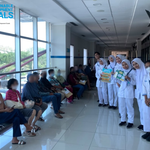
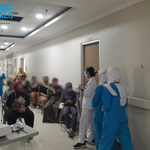
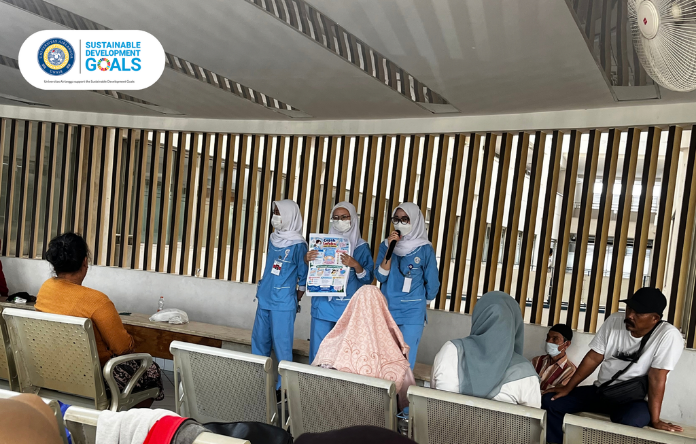
The educational activity was held at the ROI Waiting Room of the Emergency Department (ED) at Dr. Soetomo General Hospital, Surabaya, on Friday, September 18, 2026. The primary target audience was family members accompanying patients who were undergoing treatment.
A surgical wound or incision is an intentionally created wound resulting from a medical procedure. Although surgical procedures are performed under sterile conditions, the risk of healthcare-associated infections, including Surgical Site Infections (SSI), remains. Based on clinical data and guidelines, these infections may develop within 30 days after surgery and can potentially prolong hospital stays, increase healthcare costs, and lead to severe complications such as sepsis.
The entire team, consisting of Elya Arundati, Lintang Prameswari, Mohammad Ferdy Arrosyd, Nanda Durroti El Jaudah, and Vera Niken Wulandari, together with academic advisor Harmayetty, S.Kp., M.Kes., and clinical supervisor Yashinta Meyla Rosiana, S.Kep., Ns., initiated this educational session to equip patients’ families with practical knowledge related to patient safety.
The approximately 45-minute session was delivered through an engaging combination of lectures, discussions, and question-and-answer sessions. To facilitate understanding among participants from diverse backgrounds, the education team introduced several practical and easy-to-remember acronyms:
- Signs of Infection (“BENGKAK”): Participants were encouraged to recognize clinical signs such as (B) Bengkak or swelling around the wound, (E) Eritema or redness, (N) increasing pain, (G) discharge or pus from the wound, (K) warmth around the skin, (A) an unpleasant odor, and (K) fever or an elevated body temperature.
- Risk Factors (“SEHAT”): The session also highlighted the importance of (S) nutritional status, (E) Existing disease or comorbidities such as Diabetes Mellitus, (H) Hygiene or proper wound cleanliness, (A) avoiding excessive physical activity, and (T) applying proper wound-care techniques.
- Prevention Strategies (“AMAN”): These included (A) maintaining proper hand hygiene using the six-step handwashing technique, (M) consuming high-protein foods such as eggs and fish to support wound healing, (A) regularly monitoring the condition of the wound, and (N) No touching or opening the wound dressing unnecessarily.
The interactive atmosphere became particularly evident during the question-and-answer session. One participant, Mrs. E, raised a critical question regarding how high-protein foods, such as eggs, should be prepared to preserve their nutritional value for postoperative patients.
The education team promptly explained that protein sources such as eggs can be prepared simply by steaming or boiling them until thoroughly cooked, while avoiding excessive heat, to help preserve their essential nutritional content and support the wound-healing process.
Although the team encountered challenges due to varying levels of participant attention amid the dynamic environment of the emergency department, the education team successfully addressed these challenges by using communicative language, distributing educational materials in the form of interactive posters and leaflets, and directly engaging participants throughout the session.
Based on evaluations of the structure, process, and outcomes of the activity, the entire program ran smoothly and according to the planned Health Education Activity Plan (SAP). Participants demonstrated an understanding of the basic material, were able to identify early signs of infection, and expressed their commitment to independently applying preventive measures at home.
Through this PKRS activity, it is expected that the incidence of surgical wound infections can be reduced while improving the quality of life and independence of families in providing comprehensive care for patients at Dr. Soetomo General Hospital, Surabaya.
Written by: Group 2-S2, Nursing Professional Education Program, Faculty of Nursing, Universitas Airlangga, 2026.