
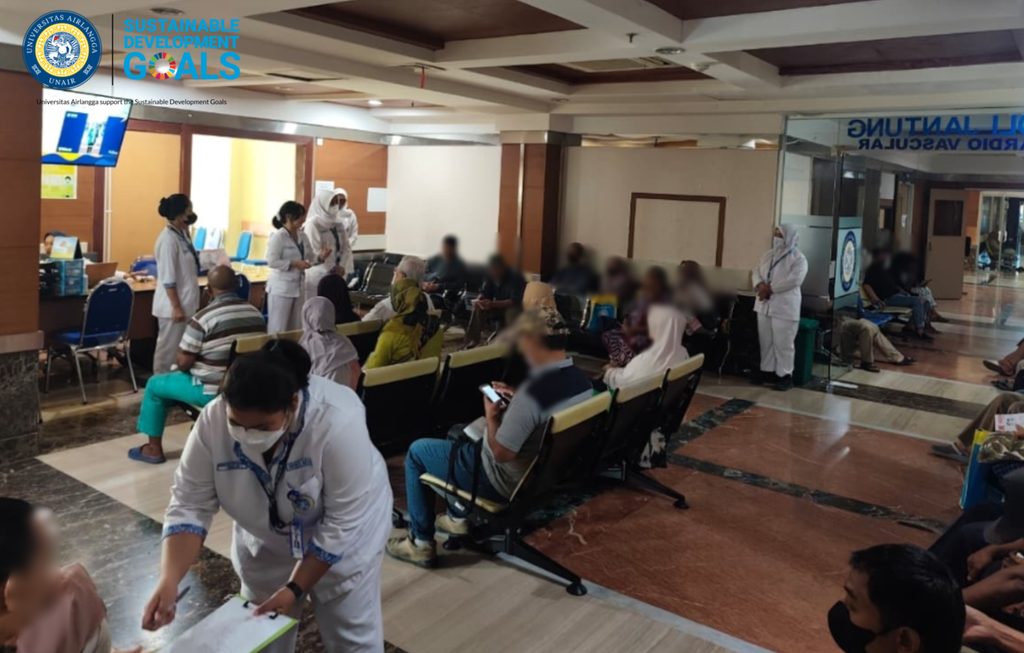
NERS NEWS — A health education activity on heart attacks, entitled “Recognizing the Signs and Symptoms and First Aid Measures,” was conducted as part of promotive and preventive efforts to improve patients’ and families’ knowledge and awareness of heart attack emergencies. The session was held in the Cardiology Outpatient Clinic waiting room through an interactive educational session using leaflets containing information about the signs and symptoms of a heart attack and appropriate first aid measures. The presenter explained the importance of recognizing the early signs of a heart attack, such as chest pain or pressure, pain that may radiate to the arms, shoulders, back, neck, or jaw, shortness of breath, cold sweats, nausea, dizziness, and weakness. The material was delivered in simple language and supported by illustrations and information in the leaflets to make it easier for patients and their families to understand. After the presentation, participants were guided to understand the first aid measures to take when encountering someone experiencing heart attack symptoms, namely immediately seeking medical assistance or contacting emergency services, stopping all activities and helping the patient rest in a comfortable position, and staying with the patient until medical assistance arrives. Participants were also informed about the importance of not delaying assistance and seeking immediate medical treatment if signs and symptoms suggestive of a heart attack occur. Patients and their families appeared enthusiastic throughout the activity, actively paid attention to the explanations, and were able to recall several signs and symptoms of a heart attack and the first aid measures that should be taken.
The activity involved two presenters responsible for delivering material on heart attacks, including recognizing signs and symptoms and first aid measures; one moderator who managed the flow of the activity; two facilitators who assisted and interacted with participants throughout the session; one documentation officer responsible for documenting the activity; and one observer who monitored the implementation of the activity. The session took place in a conducive and communicative atmosphere, allowing participants to interact directly with the education team during the presentation and discussion. The activity aimed to improve patients’ and their families’ knowledge and awareness of how to recognize the signs and symptoms of a heart attack early and understand the appropriate first aid measures to take before medical treatment is provided. Participants were expected to apply the knowledge they gained in their daily lives so that they could respond appropriately if a family member or someone around them experienced signs of a heart attack. More broadly, this activity supports the achievement of the Sustainable Development Goals (SDGs), particularly SDG 3: Good Health and Well-Being, by improving public knowledge of heart attack symptoms and the importance of obtaining prompt medical assistance as part of efforts to improve health and safety.
The heart attack health education activity proceeded well and received positive responses from patients and their families in the Cardiology Outpatient Clinic waiting room. Participants followed the presentation enthusiastically and understood the importance of recognizing the signs and symptoms of a heart attack and taking appropriate first aid measures. The use of leaflets helped participants understand the material and provided an information resource they could review after the activity. This activity is expected to increase participants’ awareness of the importance of recognizing heart attacks early and seeking immediate medical assistance. It is also expected to be conducted sustainably as part of the hospital’s promotive and preventive efforts.
Writer: Puji Tri Purnaningsih





