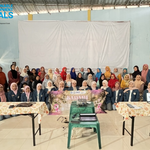
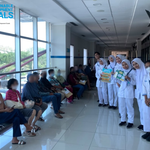
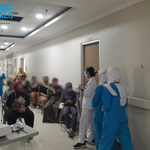
NERS NEWS – Surabaya, February 27, 2026 – Students of the Professional Nursing Education Program, Faculty of Nursing, Universitas Airlangga, conducted a Hospital Health Promotion (PKRS) activity titled “Recognize Stroke, Save Lives” at IRNA 6, Rumah Sakit Universitas Airlangga (RSUA), on Friday (27/2).
This activity was part of the Medical-Surgical Nursing clinical rotation and aimed to enhance knowledge and preparedness in recognizing the signs and symptoms of stroke, as well as taking prompt action during the golden period.
The PKRS session began at 10:00 AM and was delivered through lectures and interactive discussions. Educational media used included an LCD presentation and informative leaflets designed to help participants understand the material in a simple and practical manner.
The Importance of the Golden Period in Stroke
During the session, the speaker explained that stroke is a medical emergency caused by a disruption of blood flow to the brain, which can lead to brain cell damage within minutes. Therefore, rapid intervention is crucial to reduce the risk of disability and mortality.

Participants were introduced to the FAST method as a simple way to detect stroke early:
- F (Face drooping): facial asymmetry
- A (Arm weakness): weakness in one arm
- S (Speech difficulty): slurred or unclear speech
- T (Time to call): immediately bring the patient to the hospital
In addition, participants were reminded of the slogan “SeGeRa Ke RS” (Immediately Go to the Hospital) to recognize stroke symptoms quickly and accurately:
- Se: Asymmetrical smile
- Ge: Weakness on one side of the body
- Ra: Slurred or unclear speech
- Ke: Numbness or tingling on one side of the body
- R: Sudden blurred vision
- S: Sudden severe headache
The speaker emphasized that the golden period for ischemic stroke therapy is within the first 3–4.5 hours after symptom onset. The sooner the patient receives medical treatment, the greater the chance of neurological recovery.
Enthusiasm from Patients’ Families
Throughout the session, patients’ family members showed great enthusiasm in participating in the education program. The discussion session was active, with various questions regarding early stroke symptoms, risk factors such as hypertension and diabetes, and immediate steps to take when encountering sudden stroke symptoms in a family member.
The activity was conducted under the academic supervision of Dr. Ika Nur Pratiwi, S.Kep., Ns., M.Kep., and clinical supervision of Sri Purwanti, S.Kep., Ns., M.Kep.
Through this PKRS activity, professional nursing students hope that patients’ families will be better prepared to recognize stroke early and make prompt decisions to bring patients to healthcare facilities.
This educational initiative represents the tangible role of nurses in promotive and preventive efforts, while also supporting the improvement of healthcare service quality within the hospital.
Writer: Alina Ramadani
Editor: Alina Ramadani