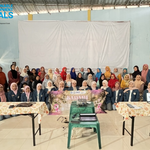
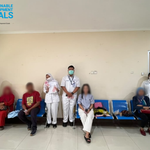
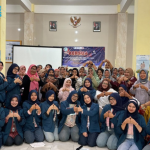
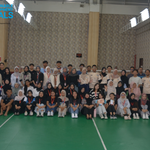
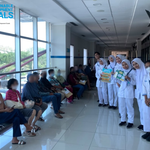
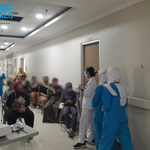
NERS NEWS — Surabaya — Nursing Profession Program students from the Faculty of Nursing, Universitas Airlangga conducted a Group Activity Therapy (TAK) titled SMART Card (Stimulus Card for Managing Anger Responsively and Appropriately) for patients with Risk of Violent Behavior (RPK) in Gelatik Ward at Rumah Sakit Jiwa Menur on June 16–17, 2026. This activity aimed to help patients manage anger by developing appropriate, adaptive, and non-aggressive verbal communication skills.
TAK SMART Card is an innovative group therapy using cards containing various scenarios of anger-triggering situations in daily life. Through discussion, simulation, and role-play methods, participants were encouraged to practice expressing feelings, asking for help, and refusing others’ requests politely and assertively.
This activity involved Nursing Profession students from the Faculty of Nursing, Universitas Airlangga, targeting patients with Risk of Violent Behavior in Gelatik Ward at Rumah Sakit Jiwa Menur. The therapy sessions lasted approximately 30–45 minutes and were attended by six patients according to the ward supervisor’s recommendations. During the activity, most participants showed enthusiasm, followed instructions well, and actively participated in each therapy session.
The implementation of TAK SMART Card aimed to improve patients’ ability to recognize anger triggers, control emotions, and develop assertive communication skills that can be applied in daily life. This activity also serves as an innovative and humane psychiatric nursing intervention to support patients’ recovery process.
In addition to benefiting patients, this activity supports the achievement of the Sustainable Development Goals (SDGs), particularly SDG 3: Good Health and Well-Being through efforts to improve mental health, and SDG 4: Quality Education through clinical learning implementation and competency development for nursing students.
Overall, TAK SMART Card was successfully conducted and provided positive experiences for both participants and nursing profession students. It is hoped that similar activities can continue to be developed as innovative therapeutic media to enhance communication skills, emotional control, and the quality of life of patients with mental health disorders.
Writer: Rendra Wahyu Ismawan