
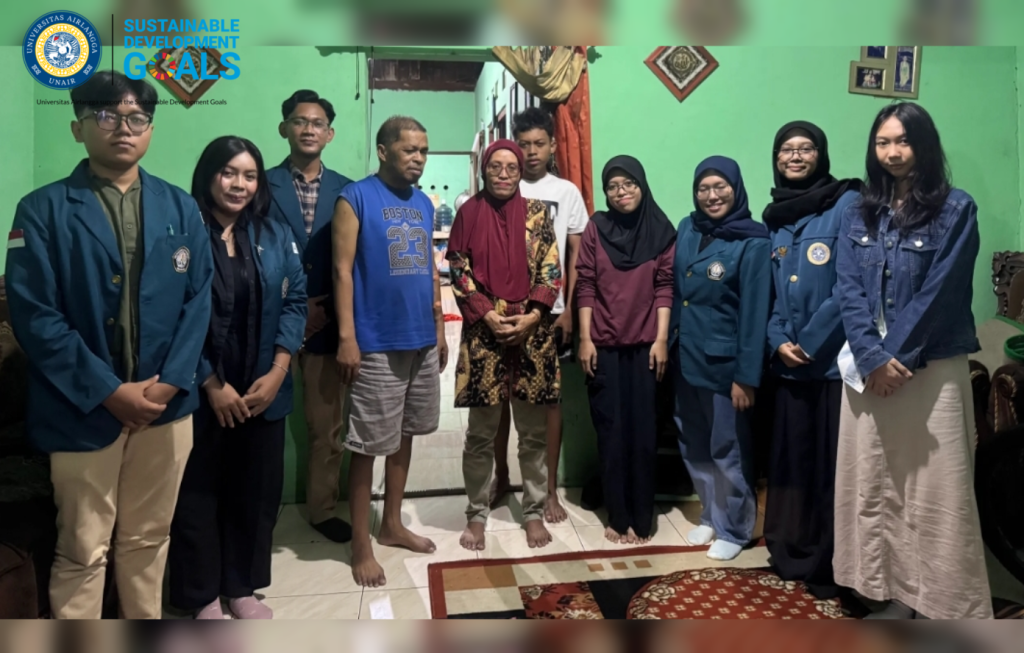
NERS NEWS — Students from the Faculty of Nursing, Universitas Airlangga (Unair), who were participating in a student exchange program at Universitas Diponegoro, carried out an Interprofessional Education (IPE) program alongside students from various health professions in Kelurahan Padangsari, Semarang. The activity, conducted during the student exchange period from February 9 to June 19, 2026, aimed to enhance interprofessional collaboration skills in delivering comprehensive healthcare services to the community.
The IPE activity was carried out by Group 109, consisting of students from the Medicine, Nutrition, and Nursing study programs. Through a collaborative approach, the students conducted family health assessments, identified health problems, developed intervention plans, and carried out monitoring and evaluation for assisted families based on the competencies of each profession.
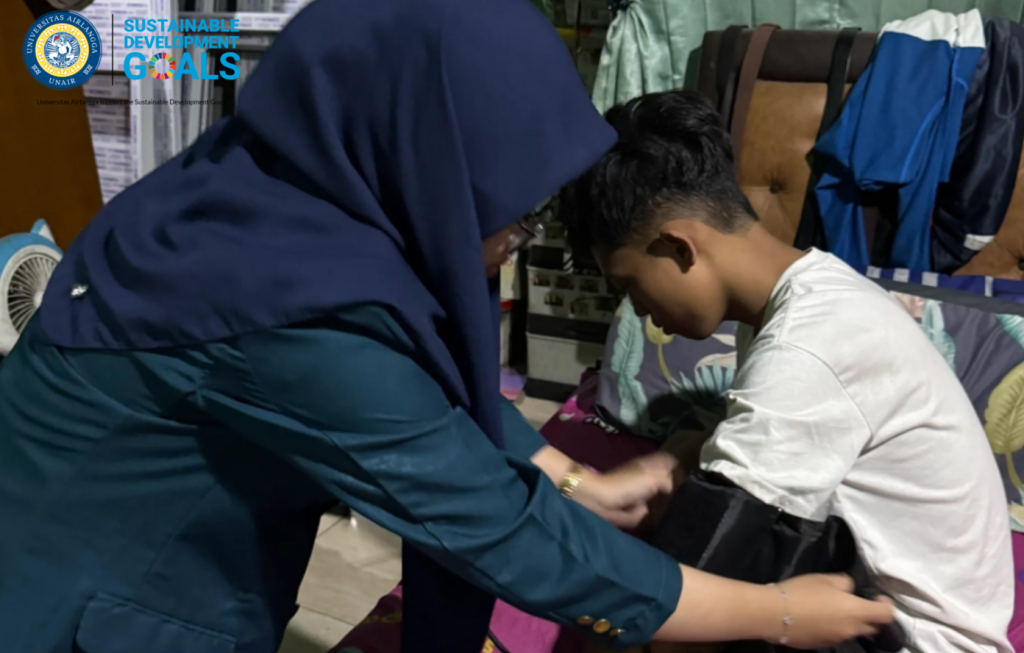
Exchange students from the Faculty of Nursing, Universitas Airlangga, together with students from Universitas Diponegoro, were directly involved in implementing activities in Kelurahan Padangsari. In practice, students worked in multidisciplinary teams to provide family-centered care tailored to the needs of assisted families. Various educational interventions were delivered, including education on chronic disease management, balanced nutrition, physical activity, and mental health through direct assistance as well as educational media such as leaflets, booklets, and learning videos.
Interprofessional Education (IPE) is a learning method designed to develop collaboration skills among healthcare professionals during their educational training. This activity provided benefits for students by improving communication skills, teamwork, and shared decision-making abilities. In addition, the program supports the achievement of the Sustainable Development Goals (SDGs), particularly SDG 3: Good Health and Well-Being, through efforts to improve family health; SDG 4: Quality Education, through experiential field-based learning; and SDG 17: Partnerships for the Goals, through cross-professional and inter-university collaboration.
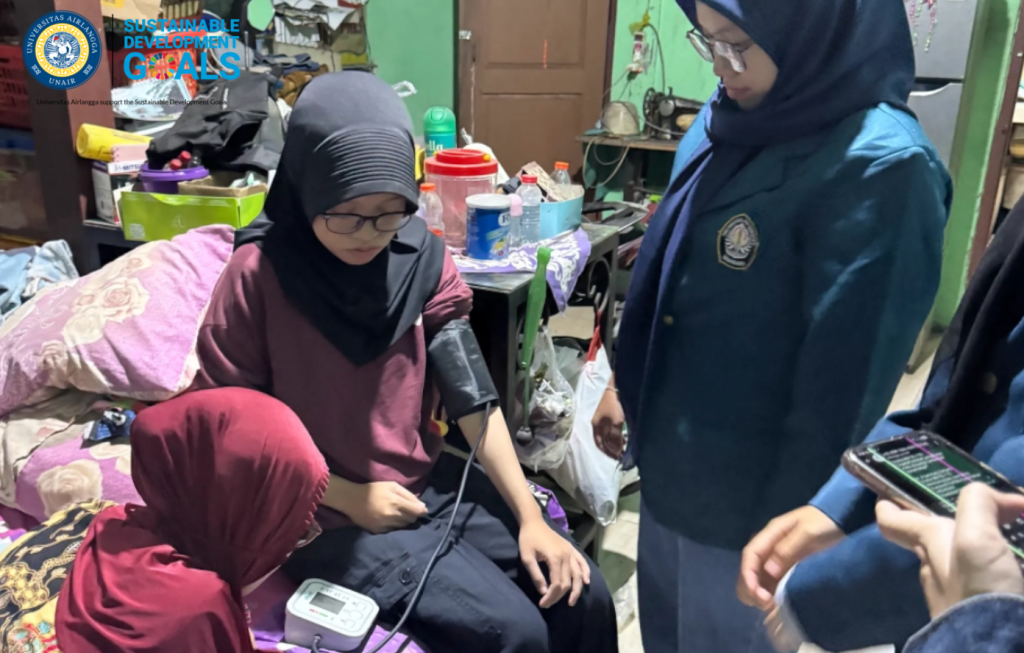
The results of monitoring and evaluation showed positive progress among the assisted families, both in terms of knowledge and the implementation of healthy lifestyle behaviors. The collaborative approach applied by the students helped families better understand their health conditions and identify sustainable measures to improve their quality of life.
The Interprofessional Education activity in Kelurahan Padangsari served as a platform for students to apply the knowledge they gained in the classroom while also developing collaborative competencies in healthcare services. In the future, similar activities are expected to further strengthen synergy among healthcare professions and higher education institutions in supporting improvements in community health and the achievement of sustainable development goals.
Writer: Fathimah Dinda Afifah





