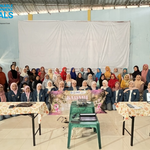
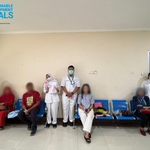
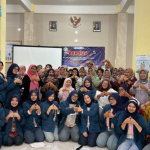
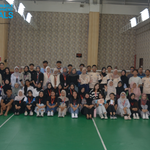
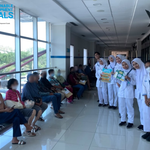
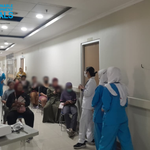
NERS NEWS – As part of the implementation of evidence-based nursing practice, Nursing Professional (Ners) students from the Faculty of Nursing, Universitas Airlangga conducted Hallucination Perception Stimulation Group Activity Therapy (GAT), Sessions 1–4, in the Jatayu Ward of Prof. Dr. Moeljono Regional Hospital, Surabaya. Through the “Music Ball Relay” game, the activity created an educational, interactive, and enjoyable therapeutic environment to help patients improve their ability to recognize and manage hallucinations using techniques such as commanding hallucinations to stop, engaging in conversations with others, and participating in scheduled daily activities.
The Hallucination Perception Stimulation Group Activity Therapy (GAT) was conducted in four sessions over two separate days. Sessions 1 and 2 were held on July 7, 2026, while Sessions 3 and 4 took place on July 10, 2026. The activity involved patients experiencing sensory perception disturbances in the Jatayu Ward of Prof. Dr. Moeljono Regional Hospital, Surabaya, under the guidance of Nursing Professional Students from Group 2 Kenari, who served as facilitators.
Each session began with an orientation that included a therapeutic greeting, self-introduction, a time contract, an explanation of the session’s objectives, and an overview of the rules to be followed throughout the therapy. A supportive group atmosphere was established to ensure that participants felt comfortable, safe, and motivated to actively engage in every stage of the activity.
The primary therapeutic medium used was the “Music Ball Relay” game. While music was playing, participants passed a ball to one another in turns. When the music stopped, the participant holding the ball was invited to come forward, introduce themselves, and share their experiences with hallucinations. They were also encouraged to practice engaging in conversations with other participants as one of the techniques for managing hallucinations.
Throughout the four sessions, patients learned how to recognize hallucinations, command hallucinations to stop, communicate with others, and develop structured daily activity schedules to reduce the occurrence of hallucinations. Participants demonstrated enthusiasm and active involvement throughout the program, as reflected in their willingness to participate in the games and confidently practice the therapeutic techniques introduced during the sessions.
Through the implementation of this Group Activity Therapy, it is expected that patients will improve their ability to recognize and independently manage hallucinations, thereby supporting their recovery process and enhancing their overall quality of life.
This Group Activity Therapy supports the achievement of the United Nations Sustainable Development Goals (SDGs), particularly Goal 3: Good Health and Well-being. The implementation of this therapy represents a promotive, preventive, and rehabilitative approach to mental health care by focusing on improving the quality of life of individuals with mental health disorders. Furthermore, the program contributes to expanding access to quality mental health services through the application of evidence-based group nursing interventions.
The implementation of Hallucination Perception Stimulation Group Activity Therapy (Sessions 1–4) through the “Music Ball Relay” game provided patients with an enjoyable and meaningful learning experience in recognizing and managing hallucinations. It is hoped that similar activities can be carried out continuously as part of psychiatric nursing rehabilitation programs, enabling patients to maintain the skills they have acquired and further improve their quality of life.
Author: Maulidyah Dwi Sukma Anggraeni (Group 2 Jatayu)
Editor: Raffa Nadiya Primatiana (Airlangga Nursing Journalist)