
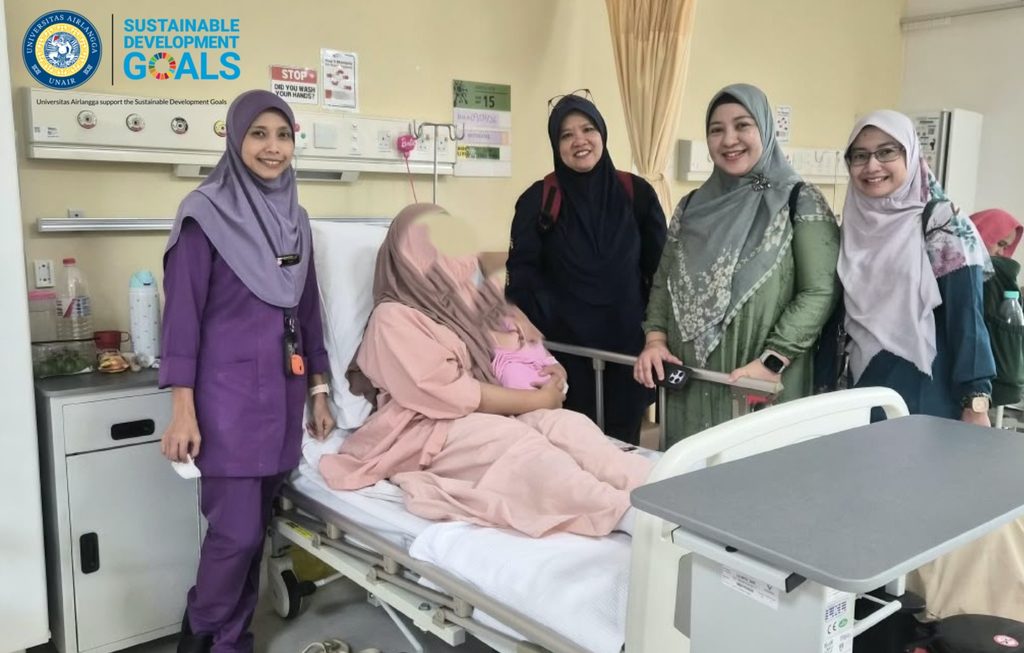
NERS NEWS — The research team from the Faculty of Nursing, Universitas Airlangga, conducted an academic and research visit to Universiti Teknologi MARA (UiTM), Malaysia, on September 8–12, 2026. The Faculty of Nursing Unair delegation in this activity consisted of Dr. Aria Aulia Nastiti, S.Kep., Ns., M.Kep. and Dr. Retnayu Pradanie, S.Kep., Ns., M.Kep. This activity was a follow-up to the international research collaboration between the FKp Unair team and Puan Fatimah Sham from UiTM Malaysia in developing the Early Recovery After Childbirth (ERAC) Model to prevent complications in at-risk postpartum mothers.
The series of activities began with the departure of the Faculty of Nursing Unair delegation from Surabaya to Malaysia on September 8, 2026. Academic activities began on September 9, 2026, through a meeting between the Faculty of Nursing Unair and UiTM research teams to discuss the results of the first stage of research that had previously been conducted in Surabaya.
The research entitled “Development of the ERAC (Early Recovery After Childbirth) Model to Prevent Complications in At-Risk Postpartum Mothers” was designed in three stages. The first stage used a qualitative approach to obtain an in-depth overview of the experiences, needs, and challenges faced by mothers after childbirth. The research participants consisted of primiparous postpartum mothers who participated in in-depth interviews and midwives who provided postpartum care through Focus Group Discussions (FGDs).
The results of the first stage of research served as the basis for identifying the needs of postpartum mothers and important components that were subsequently developed into the ERAC Module in the second stage of the research. Therefore, discussions with the UiTM team were an important part of ensuring that the developed module was not only based on research findings but also considered expert perspectives and maternal care practices in other countries.
In the second stage, the Faculty of Nursing Unair team and UiTM discussed the structure and substance of the ERAC Module based on the findings of the first stage of research. The module development process was also strengthened through expert discussions, identification of professional networks that could be involved as an expert panel, and benchmarking visits to several maternal healthcare facilities in Malaysia.


The collaboration resulted in an expert network or peer list that could subsequently be involved as an expert panel in the review and testing process of the developed model. The involvement of experts is expected to strengthen content validity while ensuring that the ERAC Model has a strong scientific basis, is applicable, and is in accordance with the needs of postpartum mothers and healthcare professionals.
In addition to academic discussions, the Faculty of Nursing Unair delegation also visited several healthcare facilities to directly learn about healthcare practices for mothers during pregnancy, childbirth, and the postpartum period in Malaysia.
The first visit was conducted at Hospital Al-Sultan Abdullah (HASA), Universiti Teknologi MARA, particularly at the Obstetrics and Gynecology Unit. As a hospital that also supports clinical education for UiTM students, HASA provided the team with an opportunity to gain an overview of the integration of healthcare services, education, and scientific development in maternal care.

The series of activities continued with a visit to Klinik Kesihatan Meru, which represents community-based healthcare services. The visit provided a perspective on the continuity of maternal care at the primary healthcare level, including monitoring maternal health during pregnancy and after childbirth, which is provided closer to the community.

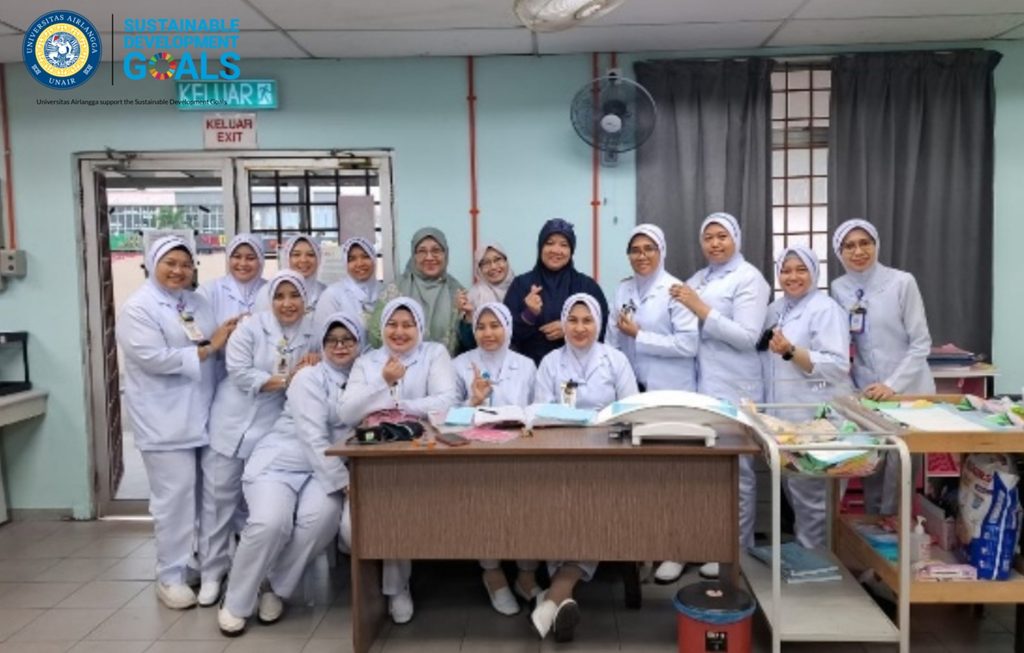
The Faculty of Nursing Unair delegation then visited Hospital Sungai Buloh, which is a government hospital in Malaysia. The visit complemented the team’s learning regarding the provision of obstetric and gynecological services in government healthcare facilities.

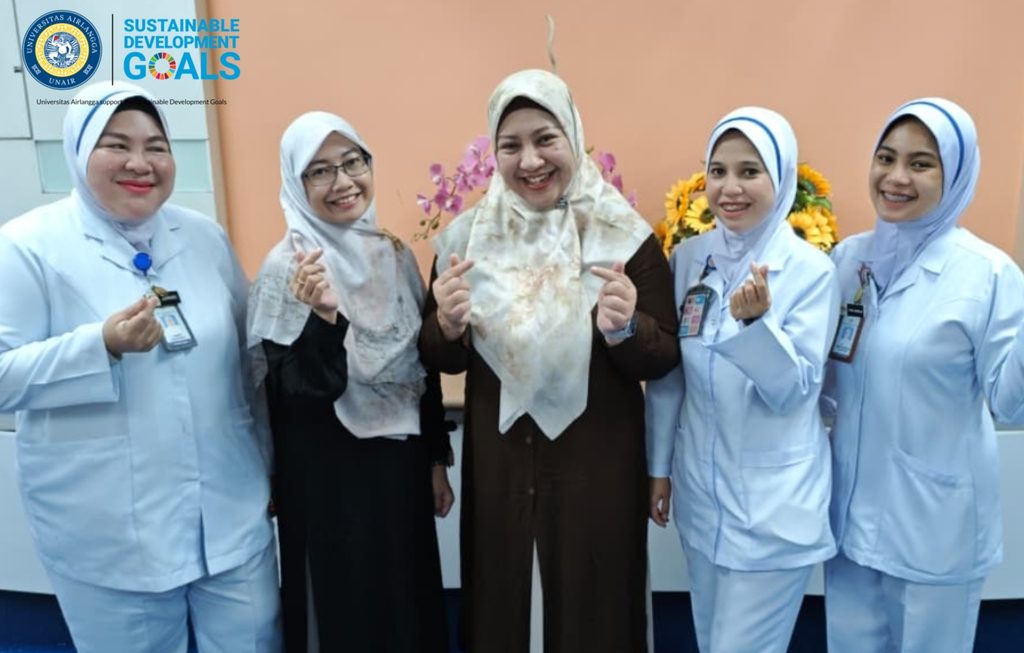
Through visits to these three characteristics of healthcare facilities—university hospitals, community-based healthcare facilities, and government hospitals—the team gained a broader perspective on the continuity and integration of maternal healthcare services. Various good practices identified became important considerations to be adapted to the healthcare service context in Indonesia.
Thus, the ERAC Model is expected to become a comprehensive approach to supporting the recovery process of mothers after childbirth, increasing mothers’ readiness to perform self-care and infant care, and helping mothers carry out their roles optimally from the early postpartum period.
The visit to UiTM Malaysia also strengthened Faculty of Nursing Unair‘s commitment to developing international research collaborations that do not stop at academic exchange but are directed toward concrete outcomes in the form of developing evidence-based intervention models with potential applications in healthcare services.
The collaboration between Faculty of Nursing Unair and UiTM Malaysia through the development of the ERAC Model is expected to continue developing through various subsequent academic and research activities and to make a tangible contribution to improving the quality of maternal healthcare services, particularly in preventing complications and optimizing maternal recovery during the postpartum period.





