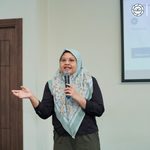
Surabaya, November 12, 2026 – Group 3/D2 students of the Nursing Profession Education Study Program, Cohort 49, Faculty of Nursing, Universitas Airlangga, held a Group Activity Therapy (TAK) on Self-Care Deficit: Bathing and Shampooing for 10 patients in the Flamboyan Room of Menur Mental Hospital Surabaya. This activity was carried out through interactive discussions, demonstrations, and guided practice to improve patients’ knowledge and skills in maintaining personal hygiene.
The TAK activity was conducted through several stages, starting with a discussion on the importance of maintaining body and hair cleanliness, an introduction to bathing and shampooing tools and materials, and a demonstration of the proper self-care steps. Students also gave participants the opportunity to try practicing the demonstrated stages with the assistance of facilitators. Throughout the activity, all participants showed enthusiasm, both in answering questions and participating in every series of activities.
This activity involved 10 patients undergoing treatment in the Flamboyan Room of Menur Mental Hospital Surabaya. The implementation of the activity took place on Thursday, November 12, 2026, with Group 3/D2 students of the Nursing Profession Education Study Program, Cohort 49, Faculty of Nursing, Universitas Airlangga, as the organizers, under the academic guidance of Dr. Hanik Endang Nihayati, S.Kep., Ns., M.Kep. and clinical supervisor Imroatul Imanah, S.Kep., Ns.
This activity aimed to improve patients’ ability to fulfill their self-care needs, particularly bathing and shampooing independently. Education was provided so that patients understand the benefits of maintaining personal hygiene, recognize the necessary equipment, and know the recommended steps and schedule for personal hygiene care.
The Self-Care Deficit Group Activity Therapy (TAK): Bathing and Shampooing contributes to the achievement of the sustainable development goals, particularly:
- SDGs 3: Good Health and Well-being. The activity supports improving the health and well-being of psychiatric patients through education and training in fulfilling personal hygiene needs.
- SDGs 4: Quality Education. The activity provides opportunities for patients to obtain health education through discussions, demonstrations, and guided practice tailored to each individual’s abilities.
Through this activity, Nursing Profession Education students of the Faculty of Nursing, Universitas Airlangga, contributed to supporting psychiatric nursing services oriented toward increasing patient independence. The enthusiasm of the 10 participants during the activity became a positive aspect in the group learning process. It is hoped that self-care education and training can continue to be applied sustainably to support clean living habits and improve patients’ quality of life.
Writer: Isna Zaidatul Husna