NERS NEWS — Surabaya, May 19, 2026 – Clean and Healthy Living Behavior is one of the efforts that can be undertaken to maintain personal and environmental health. One of the simplest forms of PHBS implementation is handwashing with soap. Handwashing is the process of cleaning hands using soap and running water or an antiseptic solution to remove dirt, bacteria, viruses, and other microorganisms attached to the surface of the hands. This habit is an important step in preventing the spread of various infectious diseases.
A lack of awareness regarding hand hygiene can increase the risk of infectious diseases such as diarrhea, respiratory tract infections, helminth infections, and skin infections. Therefore, education on the importance of handwashing should continue to be provided to the community so that clean and healthy living habits can be incorporated into daily life.
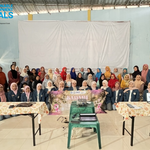
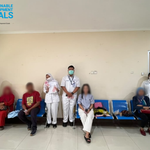
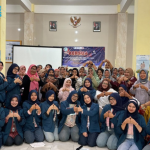
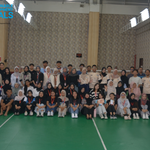
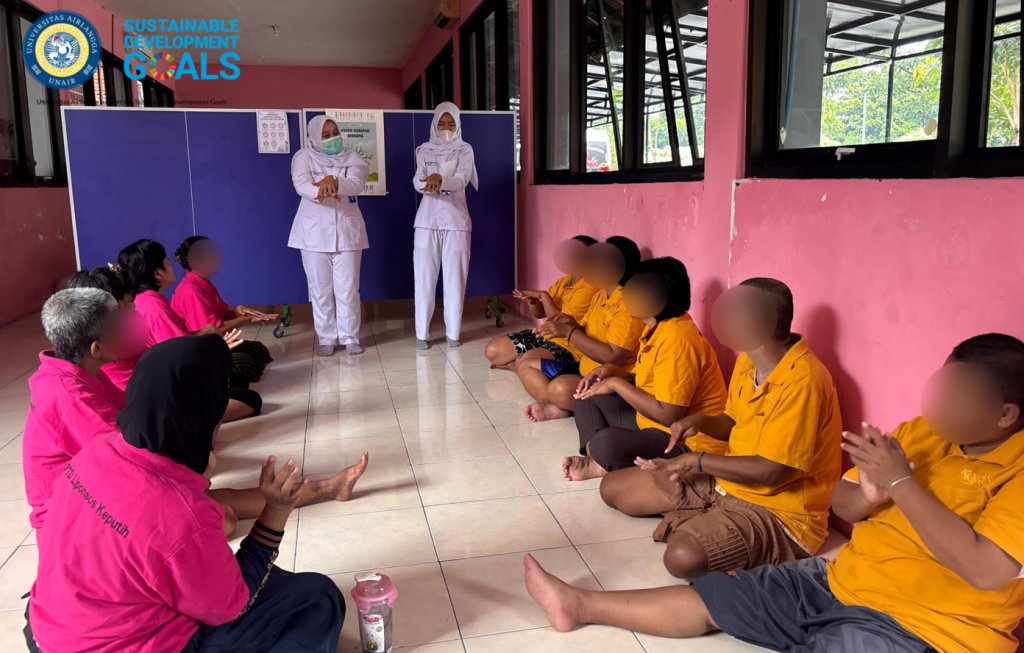
As part of a promotive and preventive effort, students from the Faculty of Nursing, Universitas Airlangga conducted a health promotion activity through the CERIA Program (Clean and Healthy Handwashing Together with Us) at UPTD Liponsos Keputih Surabaya. The activity consisted of health education on the importance of handwashing with soap and a demonstration of the six proper handwashing steps. The program was carried out under the supervision of RR. Dian Tristiana, S.Kep., Ns., M.Kep. as the academic supervisor and Shelvy Walidasari Salimuna, S.Kep., Ns. as the clinical supervisor.
The educational materials covered the definition of handwashing, the benefits of handwashing, critical moments when handwashing should be performed, and the six proper handwashing steps. Participants were also informed that regular handwashing can help remove dirt and germs, prevent disease transmission, maintain personal hygiene, and improve overall health status.
The activity was conducted interactively through lectures, demonstrations, and hands-on practice. Participants enthusiastically engaged in the program and directly practiced the handwashing steps that had been demonstrated. In addition, participants were given the opportunity to ask questions and discuss good handwashing habits for everyday life.
This program aimed to improve participants’ knowledge, awareness, and ability to implement clean and healthy living behaviors, particularly the habit of washing hands with soap. Through this activity, participants were expected to understand the importance of handwashing and adopt it as a daily habit to prevent various diseases and maintain both personal and environmental health.
Writer: Keisya Ananda Tiono