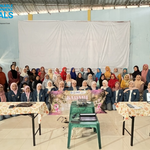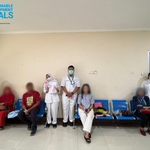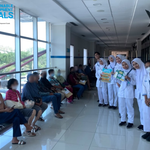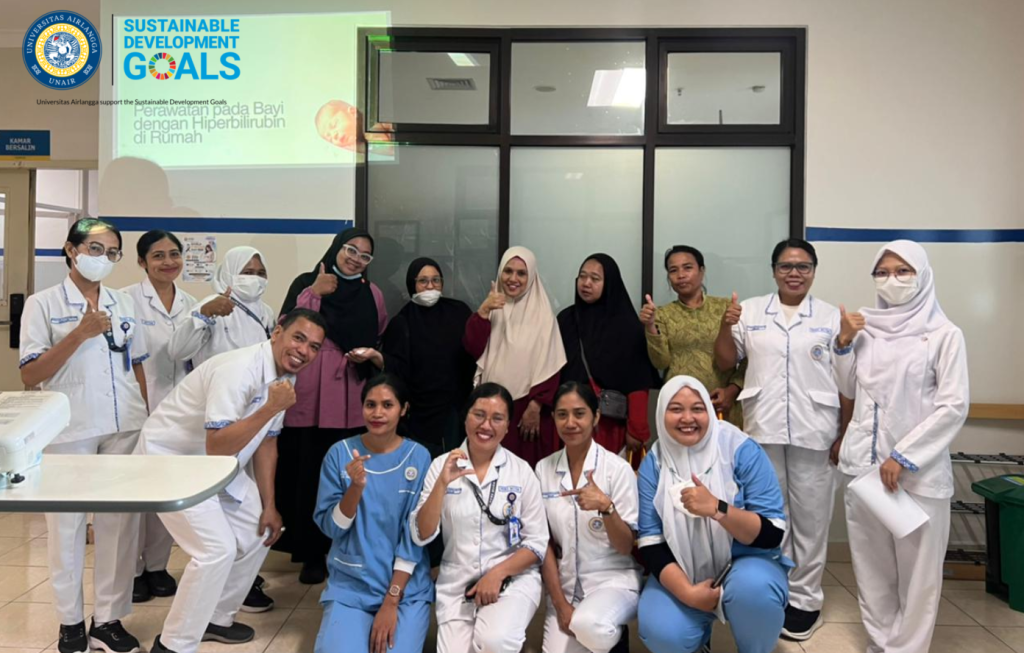
NERS NEWS — On Sunday, May 24, 2026, a health education session was conducted with the theme “Home Care for Infants with Hyperbilirubinemia,” held in the waiting area of the perinatology ward at Universitas Airlangga Hospital. The activity was attended by family members accompanying infants undergoing treatment in the perinatology ward. The education session was carried out as a promotive and preventive effort to increase families’ knowledge regarding the home care of infants with hyperbilirubinemia after discharge.
Hyperbilirubinemia is a condition characterized by elevated bilirubin levels in an infant’s blood, indicated by yellow discoloration of the skin and sclera. This condition is common in neonates, especially during the first week of life. Although most cases are physiological, hyperbilirubinemia still requires special attention because, if not properly managed, it may lead to serious complications in infants. Therefore, families as the primary caregivers at home need to have a good understanding of the signs, care, and appropriate initial management steps.
During this education session, the material was delivered in a communicative and interactive manner by healthcare staff to patients’ families. The education included the definition of hyperbilirubinemia, causes of neonatal jaundice, signs and symptoms to be aware of, the importance of adequate breastfeeding, monitoring the infant’s condition at home, and when to immediately bring the infant back to a healthcare facility. In addition, participants were also given explanations regarding the importance of maintaining the infant’s body temperature, monitoring urination and defecation frequency, and attending follow-up visits as recommended by healthcare professionals.
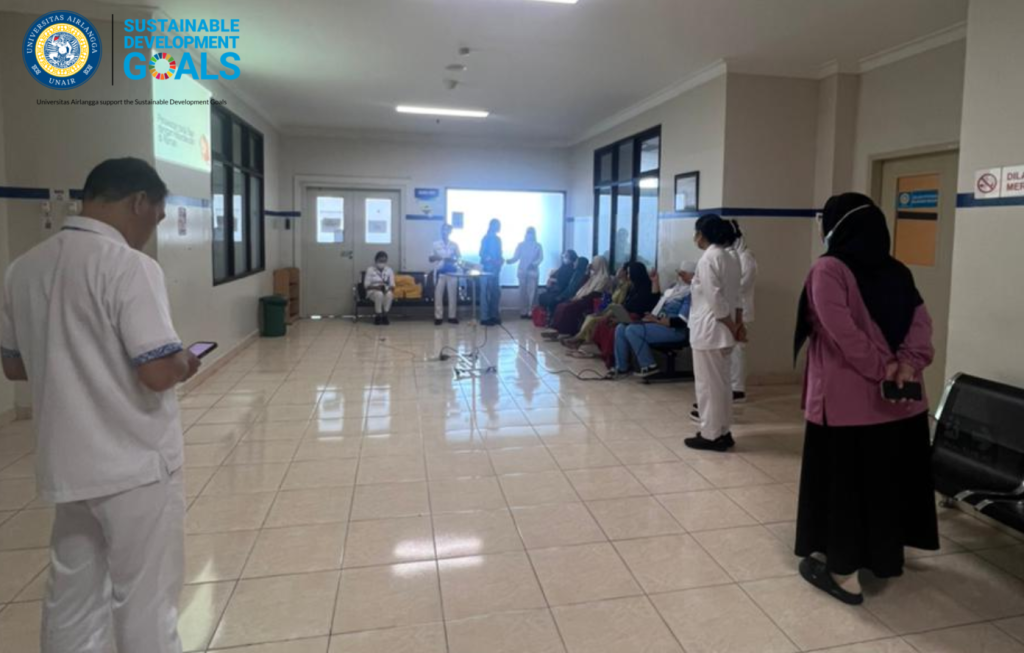
The session took place in a conducive atmosphere and received positive responses from participants. Families showed enthusiasm in participating, as seen in active engagement through question-and-answer sessions and discussions regarding their experiences in caring for jaundiced infants at home. Some participants also expressed concerns about warning signs of hyperbilirubinemia and how to ensure adequate nutritional intake for the baby. Through these discussions, healthcare providers offered clear explanations, which are expected to improve family readiness in providing home care.
This educational activity is expected to improve patients’ families’ knowledge and awareness regarding the importance of early detection and proper care of infants with hyperbilirubinemia. With adequate education, families are expected to actively support the infant’s recovery process, prevent complications, and improve neonatal health outcomes optimally. Furthermore, this activity also serves as part of healthcare services focused on improving the quality of education and patient safety within the hospital setting.
Writer: Debora Wailiti