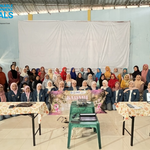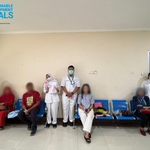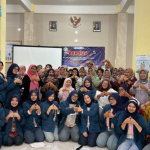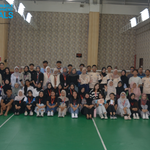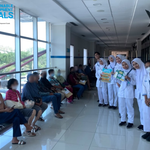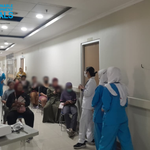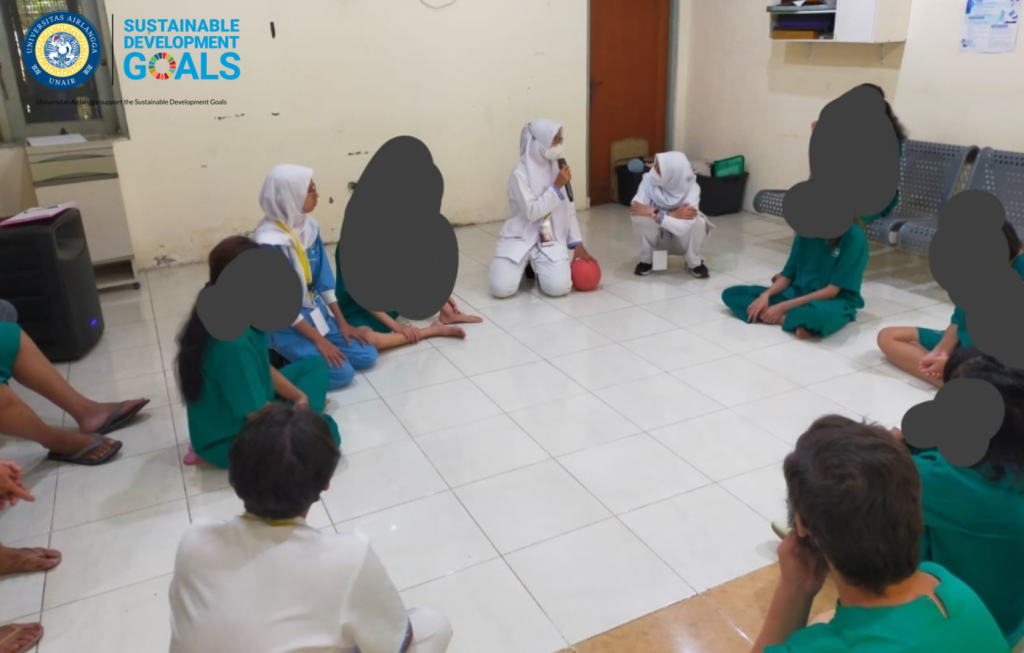
NERS NEWS — On Tuesday, May 26, 2026, at 11:00 AM, a Group Activity Therapy (GAT) session was conducted in the Puri Anggrek Ward of RS Menur Surabaya. The activity was organized by Group 2 Puri Anggrek as part of psychiatric nursing interventions aimed at enhancing patients’ ability to interact, express emotions, and stimulate sensory responses through therapeutic group activities.
The theme of the activity was “Sensory Stimulation Through Music Therapy Games for Patients with Mental Disorders in Puri Anggrek Ward, RS Menur Surabaya.” Music therapy was chosen as a sensory stimulation medium because music can provide relaxation, improve mood, enhance concentration, and encourage patients to participate more actively and interact with their surroundings. Through this activity, patients were expected to express their emotions positively, improve communication skills, and gradually strengthen their social functioning.
The session was conducted in a comfortable, enjoyable, and enthusiastic atmosphere. Patients who participated in the therapy actively followed the instructions throughout the activity, from listening to music and following the rhythm to taking part in games facilitated by the organizers. The interactions established between patients and facilitators demonstrated positive responses to the therapy. Several patients appeared more relaxed, cooperative, and able to engage effectively in group activities.
The Group Activity Therapy session was supervised by Ika Febriyanti, S.Kep., as the clinical supervisor, and Prof. Dr. Ah Yusuf S., S.Kp., M.Kes, as the academic supervisor, who provided guidance, support, and evaluation throughout the activity. Their presence contributed to the smooth implementation of the therapy, ensuring that the objectives of the program were achieved.
Through this Group Activity Therapy activity, it is hoped that patients with mental disorders in the Puri Anggrek Ward will gain therapeutic benefits, including improved sensory stimulation, enhanced social interaction skills, and reduced emotional tension through music-based activities. Overall, the activity was conducted in an orderly and successful manner and received positive responses from both patients and healthcare professionals in the ward.
Writer: Salsabilla Widyaningtyas