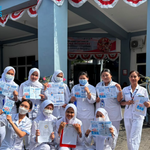
Group 6 Nursing Profession Students, Faculty of Nursing Universitas Airlangga Provide BSE Education for Early Detection of Breast Cancer at IRNA 6A Ward, Graha Trimed RSKI
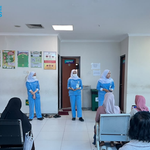
NERS NEWS – Surabaya, March 4, 2026. Group 6 students of the Nursing Profession Program (Program Profesi Ners), Faculty of Nursing, Universitas Airlangga, during their Medical Surgical Nursing (KMB) clinical rotation, conducted a Hospital Health Promotion (PKRS) activity at IRNA 6A Ward, Graha Trimed RSKI Universitas Airlangga. The activity was held on Wednesday, March 4, 2026, at 10:00 WIB and targeted female patients and patients’ families in the inpatient ward.
The PKRS activity carried the theme “Love Yourself, Check Early: Breast Self-Examination (SADARI) Education to Prevent Breast Cancer.” The program aimed to increase participants’ understanding of the importance of early detection of breast cancer and to improve their ability to perform Breast Self-Examination (SADARI) correctly and routinely every month.
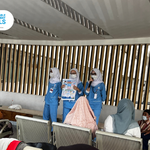
During the health education session, the students explained that breast cancer (ca mammae) is a malignant tumor that develops in breast tissue and is the most common type of cancer among women, with a risk of one in eight women. The materials presented included the definition of breast cancer, modifiable risk factors (obesity, alcohol consumption, smoking, stress, and exposure to carcinogens), and non-modifiable risk factors (genetics, age, menstrual history, pregnancy, and breastfeeding), as well as the signs and symptoms and management of breast cancer. The session emphasized that SADARI is a simple yet effective self-screening method to detect abnormalities in the breast at an early stage. The best time to perform SADARI is 7–10 days after the first day of menstruation, when the breasts feel softer and more relaxed, making palpation easier. The benefits of SADARI include detecting small tumors, identifying early-stage breast cancer, helping prevent breast cancer progression, and discovering abnormalities in the breast.
In addition to the presentation, students also guided participants in practicing the SADARI steps based on the Ministry of Health (Kemenkes) 2022 guidelines, namely:
- Step 1: Stand facing a mirror with shoulders straight. Observe both breasts for any changes in shape, swelling, discharge from the nipple, nipple retraction, or peeling skin.
- Step 2: Raise both arms and bend the elbows with hands placed behind the head. Push the elbows forward and backward while observing the shape and size of the breasts.
- Step 3: Lean the shoulders forward with both hands placed on the waist so the breasts hang down, then push both elbows forward while tightening the chest muscles.
- Step 4: Raise the left arm and bend it behind the head. Use the three to four fingertips of the right hand to gently yet firmly palpate the left breast. Perform circular motions from the outer edge toward the nipple and pay special attention to the area between the breast and the armpit.
- Step 5: Gently squeeze the nipple and observe whether there is any discharge.
- Step 6: In a lying position, place a pillow under the right shoulder with the arm raised upward, then repeat the fourth step.
The activity was conducted interactively through a question-and-answer session. Participants appeared enthusiastic and actively discussed risk factors and the correct steps of SADARI. Educational media such as leaflets and posters were also used to facilitate understanding and allow participants to review the information independently afterward. This activity aligns with the Sustainable Development Goals (SDGs), particularly Goal 3, which aims to ensure healthy lives and promote well-being for all ages, especially in the prevention and early detection of non-communicable diseases such as breast cancer.
This educational activity was supervised by academic advisor Dr. Abu Bakar, S.Kep., Ns., M.Kep., Ns.Sp.Kep.MB and clinical supervisor Rahmatul Fitriyah, S.Kep., Ns., M.Kep. The PKRS activity is expected to increase participants’ awareness and ability to perform SADARI independently, thereby fostering a culture of early breast cancer detection in the community.
Writer: Elfinta Nawang Putri
Editor: Farah Dina Azizatul Aulia (Airlangga Nursing Journalist)