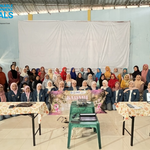
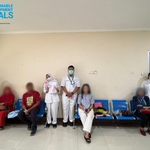
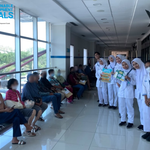
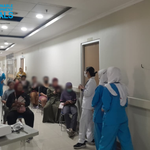
NERS NEWS — The D3.2 Maternity Group conducted a Hospital Health Education Program (PKRS) with the theme “Recognizing the Signs and Prevention of Baby Blues Syndrome and Postpartum Depression” for postpartum mothers and patients’ family caregivers. The activity, which took place in the maternity ward, aimed to increase public awareness regarding maternal mental health after childbirth and the importance of family support during the postpartum recovery process.
The PKRS activity was carried out in the form of health education through interactive lectures and question-and-answer sessions. The materials presented included the definition of baby blues syndrome and postpartum depression, signs and symptoms that should be recognized early, risk factors, as well as prevention and management strategies that can be implemented by both mothers and their families. Throughout the activity, participants showed great enthusiasm and actively asked questions regarding the emotional conditions commonly experienced after childbirth.
This activity was conducted by the D3.2 Maternity Group, with participants consisting of postpartum mothers and patients’ family members in the maternity ward. The program was supervised by academic supervisor Mrs. Ni Ketut Alit and clinical supervisor Midwife Frida, who provided guidance throughout the preparation and implementation of the health education activity.
The implementation of this PKRS program aimed to increase awareness among postpartum mothers and their families regarding the importance of maintaining mental health after childbirth. In addition, the activity was expected to help families recognize the early signs of baby blues syndrome and postpartum depression so that appropriate interventions could be provided more quickly and effectively. This educational initiative also serves as a promotive and preventive effort to improve the quality of maternal and infant health while supporting the achievement of the Sustainable Development Goals (SDGs), particularly SDG 3 on Good Health and Well-Being.
Through this activity, the students hoped that participants would become more open about expressing the psychological conditions they experience after childbirth and understand that emotional support from family members plays a crucial role in the postpartum recovery process. Proper support is expected to reduce the risk of postpartum mental health disorders.
This PKRS activity supports several Sustainable Development Goals (SDGs), namely:SDG 3: Good Health and Well-Being. Improving the health and well-being of postpartum mothers through mental health education.SDG 4: Quality Education. Providing health education to the community as a means of increasing knowledge and health awareness.SDG 17: Partnerships for the Goals. Fostering collaboration among students, academic supervisors, clinical supervisors, patients, and families in the implementation of educational activities.
Overall, the PKRS activity on baby blues syndrome and postpartum depression was successfully conducted and received positive responses from participants. The enthusiasm shown by postpartum mothers and their families during the activity highlights the importance of mental health education after childbirth. It is hoped that similar activities will continue to be implemented as a contribution of nursing education institutions toward improving community health and supporting the achievement of the SDGs.
Writer: D3.2 Maternity Group