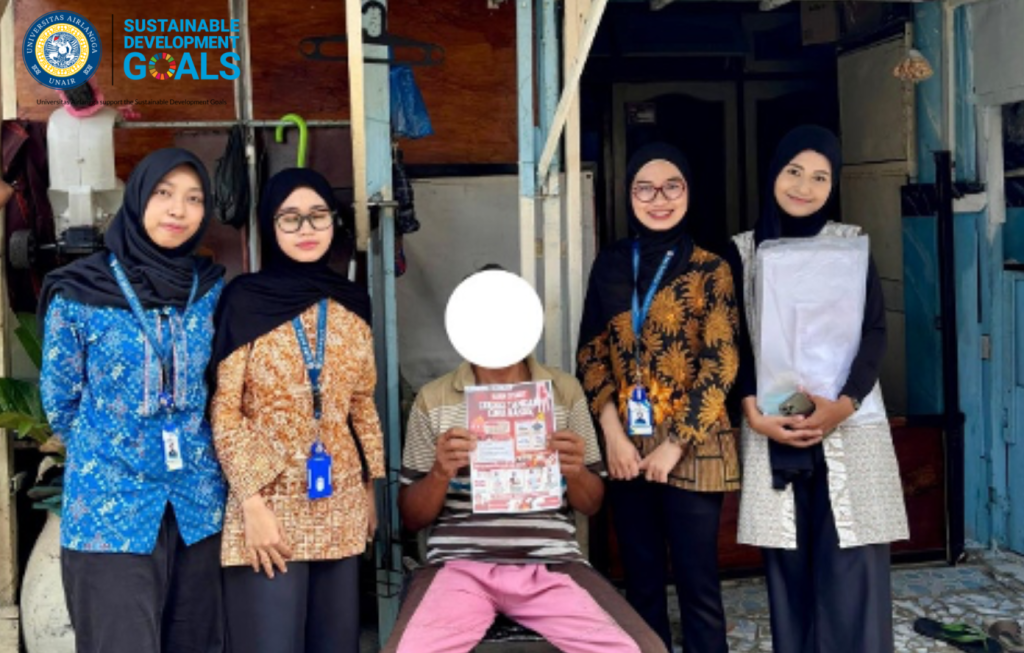
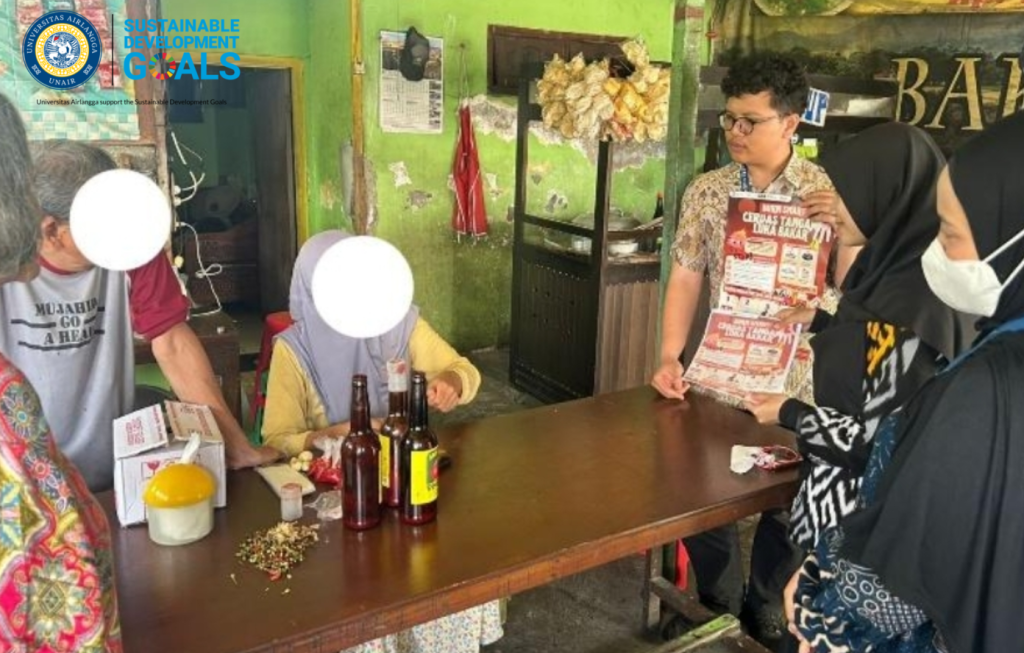
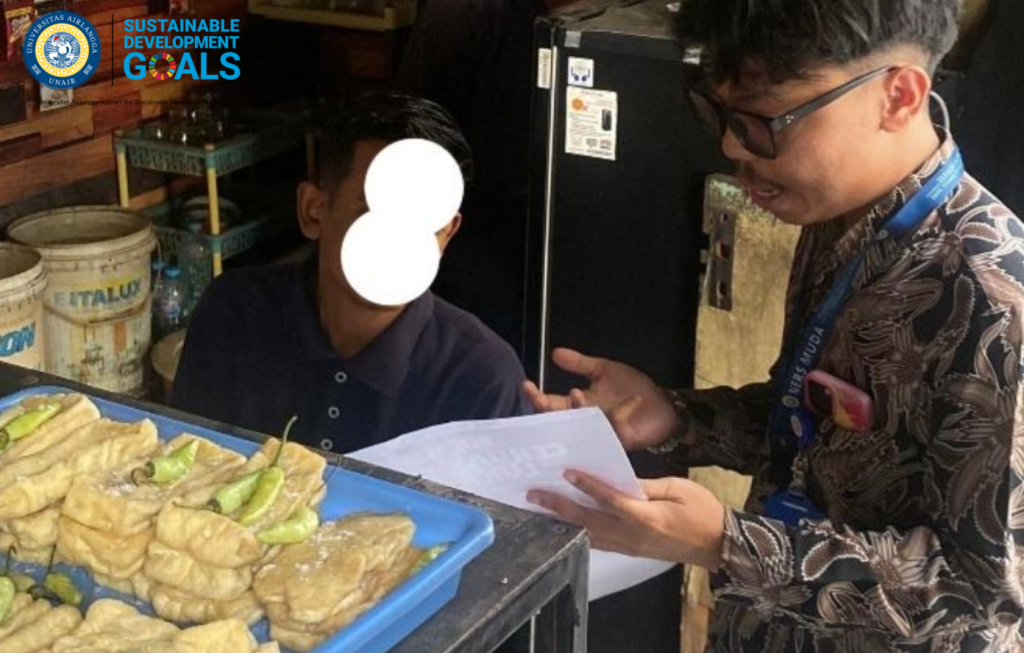
NERS NEWS — The health education program titled “Burn Smart: Smart Burn First Aid” was conducted door-to-door as an effort to improve community understanding of first aid management for burn injuries. This program provided direct education to residents whose occupations carry a higher risk of burn injuries through home visits, interactive educational sessions, first aid demonstrations, and the distribution of informative posters. Through this personalized approach, residents not only received information about what to do when a burn occurs, but also learned who to contact, when medical treatment is necessary, where to access the nearest healthcare services, why proper management is crucial, and how to perform first aid correctly and safely. Using a two-way communication method, residents were also given the opportunity to ask questions and share experiences, making the material more contextual and easier to understand.
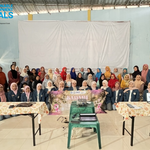
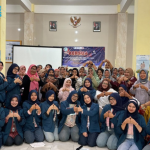
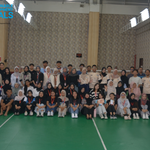
The activity was held on Saturday, February 28, 2026, in a residential community area and involved local health cadres as coordination partners. It was organized by Groups 1–3 of the Professional Nursing Program, Universitas Airlangga, during the Community Nursing rotation as part of the Occupational Health Effort (UKK) practice in RT 3 RW 2, Kalijudan Subdistrict, Surabaya. The program began at 08:00 AM (WIB) and involved Professional Nursing students as educators, while residents who run small businesses participated as attendees. Each group member served as a presenter during the educational sessions.
The program was supervised by Ms. Waji, the clinical instructor from Kalijudan Community Health Center, as well as academic supervisors from the community nursing rotation, Prof. Ferry Efendi, S.Kep., Ns., M.Sc., Ph.D., Ms. Sylvia Dwi Wahyuni, S.Kep., Ns., M.Kep., and Mr. Aziz Nashiruddin Habibie, S.Kep., Ns., M.Kep. This cross-sector collaboration aimed to ensure that the educational messages were delivered effectively and reached all segments of the community, particularly families with children and older adults who are more vulnerable to burn injuries caused by household accidents. The residents’ enthusiasm was evident through their active participation during demonstrations and discussions, reflecting the high demand for community-based health education.
This educational initiative was motivated by the continued occurrence of mild to severe burn cases caused by limited public knowledge regarding appropriate first aid management, such as the use of unsuitable substances or delays in seeking medical care. The program aimed to increase health literacy, prevent complications resulting from improper treatment, and foster an emergency response culture within households. The initiative aligns with the Sustainable Development Goals (SDGs), particularly SDG 3: Good Health and Well-Being and SDG 4: Quality Education through inclusive and accessible health education. Additionally, the activity supports SDG 11: Sustainable Cities and Communities by encouraging the creation of safer home environments that reduce the risk of injury.
Overall, the Burn Smart: Smart Burn First Aid program had a positive impact in increasing community awareness and preparedness in responding to emergency situations. The education provided not only strengthened individual knowledge but also fostered solidarity and mutual care among residents in maintaining shared safety. It is hoped that similar initiatives can continue to be implemented sustainably and reach wider communities, thereby contributing more significantly to improving public health quality, strengthening preventive education, and accelerating the achievement of the SDGs.
Writer: Nabilla Syahwa – Group 2, Professional Nursing Program, Community and Family Nursing Rotation
Editor: Nandyta Putri Ramadhani (Airlangga Nursing Journalist)