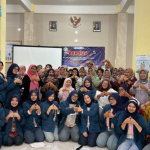
NERS NEWS — Surabaya, 27 August 2026 — Patients’ and families’ understanding of early mobilization is a crucial part of supporting recovery after surgery and anesthesia. With this objective in mind, Junior Nurses from Group 7, Batch B27 of the Nurse Professional Study Program, Faculty of Nursing, Universitas Airlangga, conducted Hospital Health Education (PKRS) under the theme “Early Mobilization in Post-Anesthesia Patients: Safe Steps Toward Recovery.”
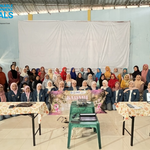
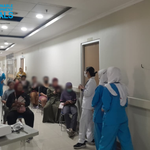
The activity took place on Thursday, 27 August 2026, from 09:00 to 10:00 WIB, guided by Dr. Laily Hidayati, S.Kep., Ns., M.Kep., and Emi Widiastuti, S.Kep., Ns. It was held at the Operating Room Waiting Room, Graha Trimed, Universitas Airlangga, and targeted patients’ families.
Through this activity, Group 7 provided education on the importance of early mobilization after anesthesia. The material covered the definition, objectives, and benefits of early mobilization; assessment of patient readiness before mobilization; contraindications and special conditions requiring attention; and mobilization stages according to anesthesia type.
Early post-anesthesia mobilization was explained as gradually performed movements or activities after anesthesia, starting from simple exercises in bed to sitting, standing, and walking — all adjusted to the patient’s recovery progress. Patient readiness is determined not only by time elapsed since surgery but also by recovery of consciousness, hemodynamic stability, respiratory status, pain level, nausea and vomiting, and recovery of motor and sensory function — especially in patients receiving regional anesthesia.
Participants also learned about the benefits of early mobilization, including: supporting gradual recovery of bodily functions, improving blood circulation, preserving muscle strength and function, reducing the effects of prolonged bed rest, enhancing respiratory function, and promoting patient independence.

To reinforce understanding, the session used lectures, question-and-answer discussions, and demonstrations, supported by posters and leaflets. Participants had opportunities to ask questions, discuss the material, and observe step-by-step demonstrations of early mobilization.
Beyond benefits, the education also emphasized recognizing conditions that increase risks during mobilization. Patients must be assessed before mobilization, particularly if they have impaired consciousness, respiratory compromise, hemodynamic instability, active bleeding, uncontrolled severe pain, severe nausea and vomiting, unresolved regional anesthesia effects, or a high risk of falls.
Participants were also informed about warning signs that require immediate cessation of mobilization and notification to healthcare providers: dizziness or fainting, shortness of breath, chest pain, sudden weakness, severe nausea or vomiting, intense pain, bleeding, and persistent weakness or numbness — especially after regional anesthesia.
This PKRS activity forms part of ongoing health education efforts by students of the Nurse Professional Study Program, Faculty of Nursing, Universitas Airlangga, to deliver relevant information to patients and families. Through this education, patients and families are expected to understand the value of early mobilization while recognizing that it must be carried out gradually, safely, and in accordance with each patient’s clinical condition.
Group 7 hopes this education helps patients and families gain a clearer understanding of post-anesthesia recovery and the importance of ensuring patient readiness and safety before attempting mobilization.
Writer: Gustiawan Eka Ade Firmansyah Hamin