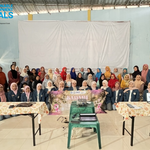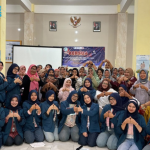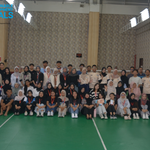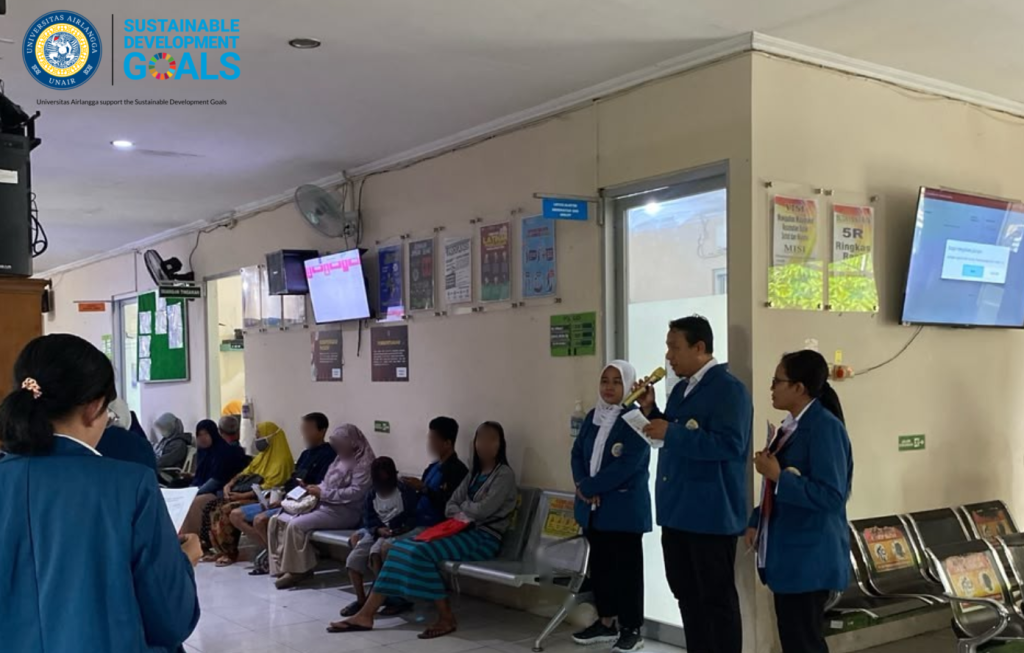
NERS NEWS — Nursing Profession Program students from the 2026 cohort, Group 1, Faculty of Nursing, Universitas Airlangga, successfully conducted a health education session as part of the Community Nursing Rotation at Kenjeran Community Health Center (Puskesmas Kenjeran), Surabaya, on Monday, August 3, 2026. The session was held under the theme “Recognize ARI and Protect Your Family” and was part of the clinical practice of the Nursing Profession Program, Faculty of Nursing, Universitas Airlangga.
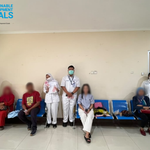
The health education session was attended by approximately 40 participants consisting of patients and family members in the waiting room of Kenjeran Community Health Center, Surabaya. The session was delivered through lectures and question-and-answer sessions using leaflets and posters as educational media. The activity was conducted interactively, allowing participants to discuss and ask questions regarding the topics presented.
The session aimed to increase community knowledge about Acute Respiratory Infection (ARI), particularly its definition, causes, signs and symptoms, modes of transmission, prevention, and management or treatment. Through this education, participants were expected to recognize ARI at an early stage and implement preventive measures to protect themselves and their family members.
The presenters explained that Acute Respiratory Infection (ARI) is an infectious disease affecting the respiratory tract, including both the upper and lower respiratory tracts. ARI can be caused by viruses or bacteria and generally lasts for less than 14 days. Some causes of ARI include rhinovirus, adenovirus, parainfluenza virus, Respiratory Syncytial Virus (RSV), and several types of bacteria.
Participants were also informed about the signs and symptoms of ARI, including nasal congestion or a runny nose, sneezing, coughing, fever, fatigue and body aches, headache, muscle pain, and sore throat. The presenters also explained that ARI can be transmitted through respiratory droplets when an infected person coughs or sneezes, as well as through contact with contaminated hands or objects.
The session also covered ARI management, including ensuring adequate fluid intake, getting sufficient rest, using nasal saline spray when needed, and taking medication according to medical instructions. Participants were also informed about warning signs that require further examination at a healthcare facility, such as shortness of breath, chills, coughing up blood, decreased consciousness, or persistent fever.
Prevention of ARI was another important topic discussed during the session. Participants were educated about the importance of washing their hands with soap and running water, avoiding touching their faces, staying away from cigarette smoke, consuming nutritious food, getting adequate rest, wearing masks when interacting with others, maintaining proper ventilation and lighting at home, maintaining the body’s immune system, and practicing proper cough and sneeze etiquette.
Participants showed enthusiasm throughout the session, particularly during the discussion and question-and-answer session. They actively asked questions about topics they did not fully understand and participated in the evaluation conducted by the presenters. One participant expressed a positive impression of the health education session and hoped that similar activities could continue to be conducted in the future as an effort to improve community knowledge and awareness of health.
Through the “Recognize ARI and Protect Your Family” health education session, families and community members in the Kenjeran Community Health Center area are expected to gain a better understanding of the importance of recognizing ARI, preventing its transmission, and providing appropriate management. Nursing Profession Program students from the Faculty of Nursing, Universitas Airlangga, continue to provide practical health education as part of their contribution to improving the community’s knowledge and ability to maintain family health.
Writer: Fitriyana