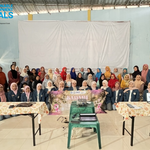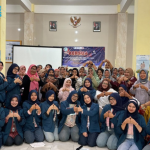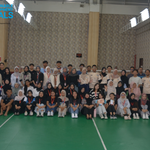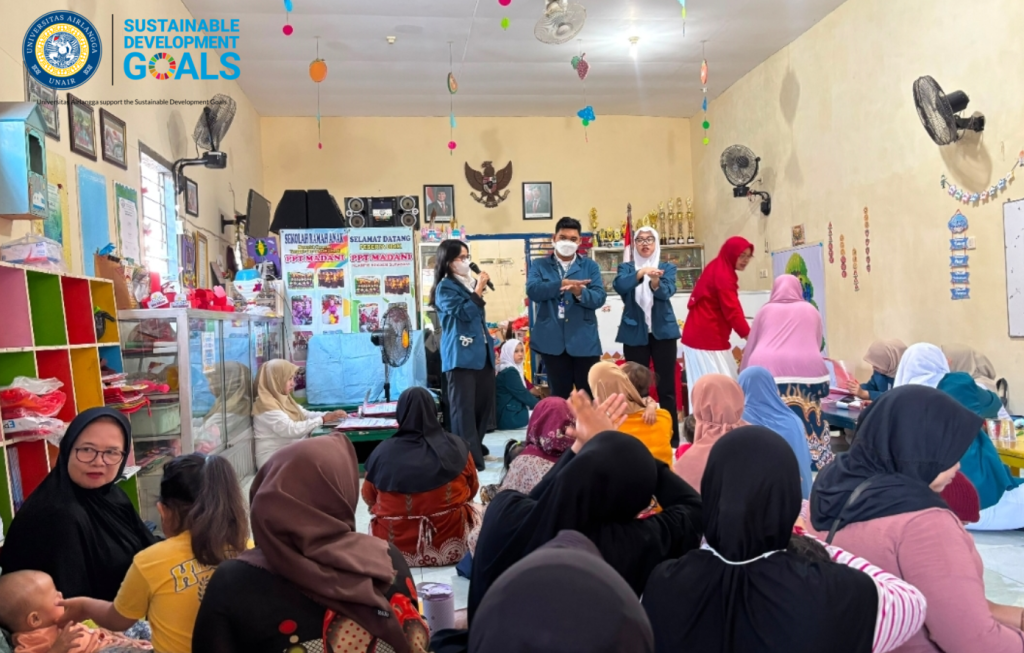
NERS NEWS — Nursing students from Group 2 Klampis Ngasem, Nursing Professional Education Program Batch 2026, Faculty of Nursing, Universitas Airlangga, successfully conducted a health education session as part of their Community Nursing rotation at RW 6 Klampis Ngasem on Wednesday, August 5, 2026. The activity was held under the theme “Recognize Pharyngitis Early: Prevent Sore Throat to Build a Healthy Family.” This activity was part of the Nursing Professional Education Program practice at the Faculty of Nursing, Universitas Airlangga.
The health education session was attended by community members and families living in RW 6 Klampis Ngasem. The session was delivered through lectures and a question-and-answer session using educational materials prepared by the students. The activity was conducted interactively, allowing participants to discuss and ask questions about the topics presented.
The activity aimed to increase community knowledge about pharyngitis, particularly its definition, causes, signs and symptoms, risk factors, modes of transmission, prevention, and management. Through this education, participants were expected to recognize the signs and symptoms of pharyngitis at an early stage and implement preventive measures to maintain their own health and that of their family members.
The presenters explained that pharyngitis is inflammation of the pharynx that can cause throat pain or soreness. Pharyngitis can be caused by viral or bacterial infections. Viral infections are among the most common causes, while some cases may be caused by bacteria, including Streptococcus. Participants were also informed about common signs and symptoms of pharyngitis, such as sore throat, pain when swallowing, a dry or itchy throat, fever, cough, runny nose, headache, and swollen lymph nodes around the neck. Symptoms may vary depending on the underlying cause of pharyngitis.
The session also discussed how pharyngitis can be transmitted, particularly when it is caused by an infectious agent. Transmission may occur through respiratory droplets when an infected person coughs or sneezes, as well as through contact with contaminated hands or objects. Therefore, maintaining hand hygiene and practicing proper cough and sneeze etiquette are important measures to prevent the spread of infection.
Prevention of pharyngitis was also an important part of the health education session. Participants were encouraged to wash their hands with soap and running water, avoid sharing eating and drinking utensils with others, practice proper cough and sneeze etiquette, avoid exposure to cigarette smoke, maintain a clean environment, and support their immune system by consuming nutritious food and getting adequate rest.
Participants were also provided with information on pharyngitis management. Recommended measures include maintaining adequate fluid intake, getting sufficient rest, keeping the throat moist, and taking medication according to healthcare professionals’ recommendations when necessary. Participants were also advised to seek medical attention if their symptoms became more severe, persisted for an extended period, or were accompanied by signs and symptoms requiring further examination.
Participants showed enthusiasm throughout the activity, particularly during the discussion and question-and-answer session. They actively asked questions about the causes, signs and symptoms, and ways to prevent pharyngitis within the family environment. Through this activity, participants were expected not only to recognize pharyngitis at an early stage but also to adopt clean and healthy living behaviors to reduce the risk of sore throat and infection transmission within their families.
Through the health education session “Recognize Pharyngitis Early: Prevent Sore Throat to Build a Healthy Family,” the community of RW 6 Klampis Ngasem is expected to gain a better understanding of the importance of recognizing pharyngitis, preventing its transmission, and taking appropriate action when signs and symptoms occur. Nursing Professional Education Program students from the Faculty of Nursing, Universitas Airlangga, continue to provide practical health education as part of their contribution to improving community knowledge and empowering families to maintain their health.
Writer: Almira Florint Salsabila