NERS NEWS – Surabaya, February 12, 2026 — Tuberculosis (TB) remains one of the infectious diseases that continues to pose a significant public health problem. TB primarily affects the lungs but can also spread to other organs such as the lymph nodes, bones, and meninges. The high number of TB cases and the importance of treatment adherence make this disease a priority in primary healthcare programs. Therefore, promotive and preventive efforts through health education are considered essential to increase public awareness and knowledge.
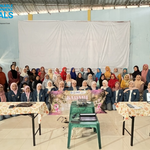
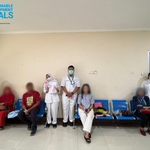
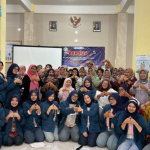
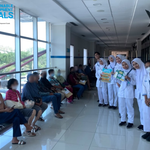
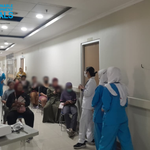
Students of the Community and Family Nursing Program (PKK), Faculty of Nursing, Universitas Airlangga, groups B1 and B2, carried out a health promotion activity on Tuberculosis (TB) as part of implementing the nurse’s role in promotive and preventive efforts within the community. This activity was aimed at people utilizing healthcare services, focusing on TB education through leaflets that had been prepared in advance. The sessions were conducted directly, both individually and in small groups, using a communicative and persuasive approach to ensure the material was easily understood and able to improve public knowledge about TB.
During the activity, the students also provided opportunities for discussion and question-and-answer sessions. Several participants showed high enthusiasm by asking questions related to TB, particularly about the stages of treatment, the intensive phase of therapy, and the importance of adhering to the treatment regimen until completion. This demonstrated increased interest and awareness among the community regarding proper TB management.
Overall, the health promotion activity was carried out smoothly and orderly according to the planned schedule. Approximately 20 participants attended the session and were able to understand the material presented, showing positive responses to the education provided. Through this activity, it is hoped that the community will gain better knowledge about Tuberculosis (TB) and be able to implement preventive measures to support TB control efforts in their environment. In addition, the community is expected to recognize the early signs and symptoms of TB, understand its modes of transmission, and appreciate the importance of completing treatment.
This health promotion activity represents a tangible contribution from nursing students, particularly groups B1 and B2, in supporting the improvement of community health status and strengthening the nurse’s role as an educator in primary healthcare services. Through TB education, the community is expected to develop better knowledge, awareness, and attitudes toward prevention, early detection, and treatment adherence, thereby helping to reduce transmission rates in the surrounding environment. This activity aligns with the goals of the Sustainable Development Goals (SDGs), particularly SDG 3: Good Health and Well-Being, which aims to ensure healthy lives and promote well-being for all, including ending the TB epidemic, and supports SDG 4: Quality Education by enhancing public health literacy. Thus, this initiative not only impacts individuals but also contributes to sustainable health development.
Author: Adelvis Wahyu Septi Ningrum
Editor: Eva Khoirunnisa Adinta (Airlangga Nursing Journalist)