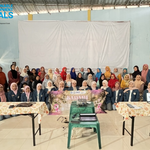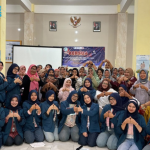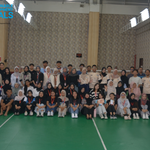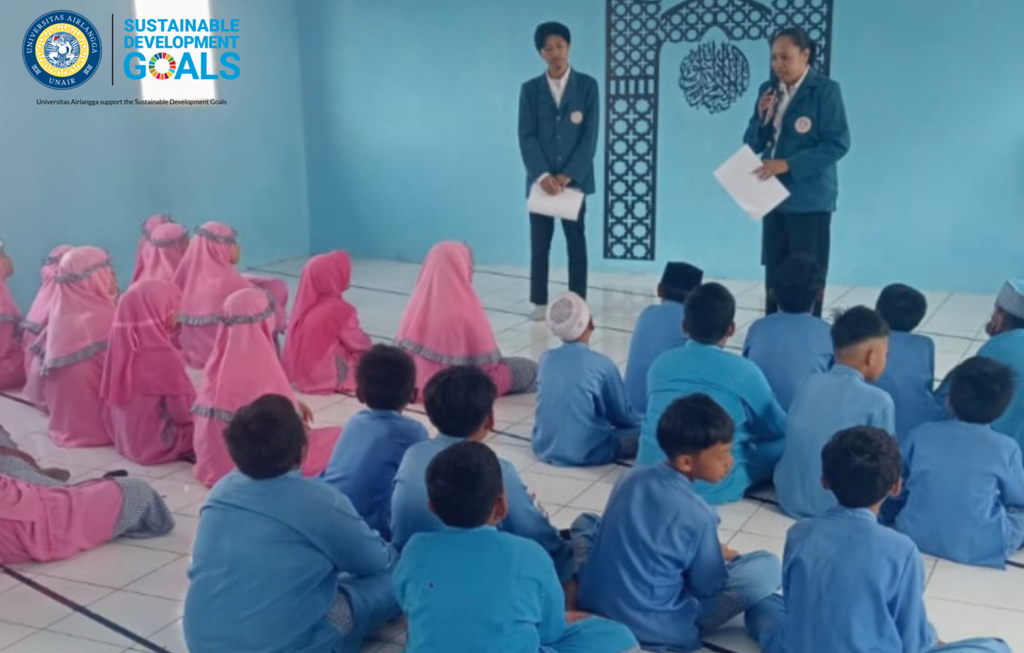
NERS NEWS — Surabaya — Nursing Profession students from the Faculty of Nursing, Universitas Airlangga (Unair), provided education on fainting emergencies and initial first aid to students of SD Muhammadiyah 9 Sukolilo Baru, Surabaya, on Friday, August 7, 2026.
Starting at 9:00 a.m. local time, the activity carried the theme “Education on Fainting Emergencies and Initial Management for Elementary School Children.” The education aimed to improve students’ knowledge and preparedness in recognizing fainting and understanding appropriate and safe first-aid measures before receiving assistance from teachers, healthcare workers, or emergency services.
The program was initiated by Groups 1, 2, and 3 of Wave 1 Nursing Profession students from Batch B27, Faculty of Nursing, Universitas Airlangga. The activity was conducted under the guidance of academic advisors Dr. Retno Indarwati, S.Kep., Ns., M.Kep.; Aziz Nashiruddin Habibie, S.Kep., Ns., M.Kep.; and Sylvia Dwi Wahyuni, S.Kep., Ns., M.Kep. The activity was also supported by clinical supervisor Afif Nailil Huda, S.Kep., Ns.
The activity began with an interactive opening session led by the master of ceremonies. This approach was used to create a comfortable learning environment while encouraging students to actively participate throughout the session.
The main materials were delivered by Mohammad Ferdy Arrosyd and Martina Peda Luba, with Viktoria Abuk and Nabilah Salsia Hamzah serving as facilitators. The materials were presented using simple language and examples relevant to the students’ daily experiences. During the session, students were introduced to the definition of fainting or syncope, signs and symptoms that may occur before, during, and after fainting, as well as several conditions that may trigger it. The students were also taught the basic do’s and don’ts when responding to someone who has fainted.
Students were introduced to the 3A principle (Self-Safety, Environmental Safety, and Victim Safety) before providing assistance. They also learned how to assess a person’s level of consciousness using the AVPU (Alert, Verbal, Pain, Unresponsive) method. In addition, students were taught the importance of assessing the victim’s condition, calling for help, providing an appropriate position, and loosening tight clothing. Beyond the theoretical material, the students observed a demonstration of initial first aid for fainting and were given the opportunity to practice the steps under the guidance of the nursing students.
The demonstration method was selected so that students would not only understand the material theoretically but also gain practical knowledge of safe actions when encountering someone who has fainted. During the practice, students were also reminded to immediately seek assistance from an adult or teacher when encountering an emergency situation.
The activity became more interactive through ice-breaking activities and discussions. Students were given opportunities to answer questions and demonstrate their understanding of what should be done when encountering a fainting incident, both at school and at home.
The implementation of the activity was supported by the distribution of responsibilities among the students, including material preparation, event management, equipment preparation, participant facilitation, demonstrations, and documentation. This collaboration helped ensure that the educational session ran in an orderly and conducive manner.
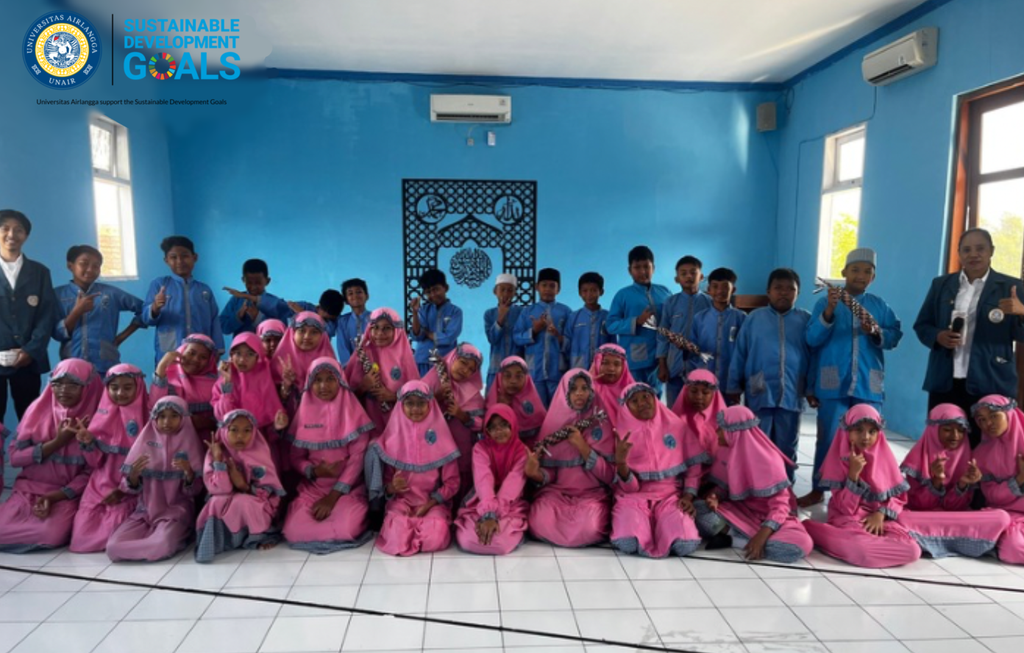
Education on first aid for fainting in school settings is part of efforts to improve preparedness for emergency situations. Understanding appropriate initial measures is expected to help students recognize emergencies, avoid potentially harmful actions, and promptly seek assistance from adults or healthcare professionals.
The activity also supports the achievement of the Sustainable Development Goals (SDGs), particularly SDG 3: Good Health and Well-Being, through efforts to improve health literacy and awareness from an early age.
Through this activity, Nursing Profession students from the Faculty of Nursing, Universitas Airlangga, contributed to improving health literacy among school-age children. The interactive approach is expected to equip students with the knowledge to respond to emergency situations more calmly, appropriately, and safely while continuing to involve adults and healthcare professionals when necessary.
Writer: Mohammad Ferdy Arrosyd