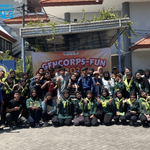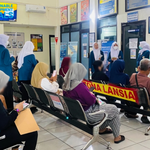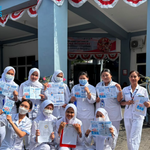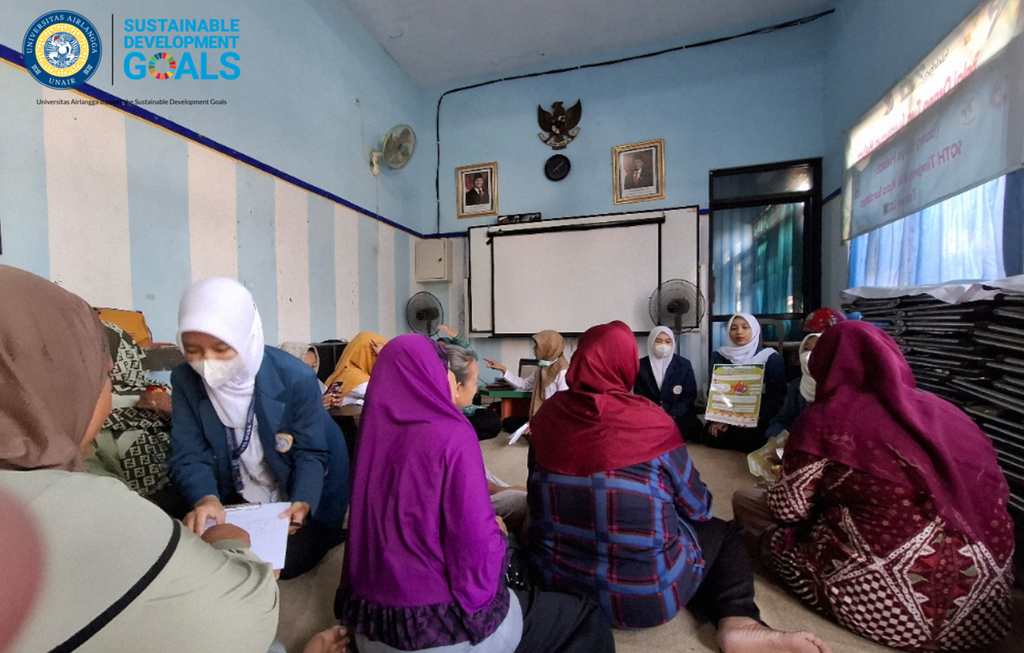
NERS NEWS — Nursing Professional Education students from the Faculty of Nursing, Universitas Airlangga, conducted a health education session entitled “Prevent Foot Amputation with Diabetes Foot Exercises” at RT 03 RW 03, Klampis Ngasem, Sukolilo, Surabaya, as part of the Chronic Disease Management Program (PROLANIS) on Tuesday (September 22, 2026) at 8:30 a.m. WIB. This activity was one form of community health education aligned with Sustainable Development Goal (SDG) 3, Good Health and Well-being, through efforts to increase knowledge and awareness regarding the importance of preventing diabetic neuropathy and practicing diabetes foot exercises, particularly among people with diabetes mellitus (DM).
The education session was organized by Unair Nursing Professional Education students and targeted residents, including men and women participating in the Chronic Disease Management Program (PROLANIS). The activity was moderated by Nur Laila Maulida, while the educational materials were presented by Rina Suwandi and Fadhilah Anggun Kharismaningrum. Through this activity, the students sought to improve participants’ understanding of the importance of maintaining foot health among people with diabetes and regularly performing diabetes foot exercises as one effort to prevent foot complications.
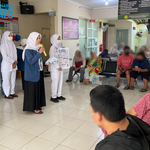
The materials covered the definition of diabetes foot exercises, their purposes and benefits, the steps for performing diabetes foot exercises, as well as other important considerations. The presenters explained that diabetes foot exercises are simple exercises that can help improve foot movement and maintain foot function and circulation. Participants were also given an understanding of the importance of regularly examining their feet and maintaining foot hygiene and condition to prevent wounds. If wounds, changes in skin color, swelling, or other abnormalities are found on the feet, participants were advised to seek medical attention at a healthcare facility promptly.
The materials were delivered interactively through lectures, demonstrations, and group practice. The presenters demonstrated the steps of the diabetes foot exercises, after which participants were given the opportunity to follow and practice the movements directly. Participants showed enthusiasm during the demonstration and actively asked questions about the exercises and ways to maintain foot health among people with diabetes. This educational activity is expected to improve the knowledge, awareness, and skills of the community, particularly people with diabetes and their families, in preventing foot complications. With better understanding and skills, participants are expected to be able to perform diabetes foot exercises regularly, maintain foot health, and recognize signs of foot problems early so that the risk of severe wounds and amputation can be minimized.
Writer: Nandika Amelia Dewi Pratama