Photo: Salma Ayu Pramesty
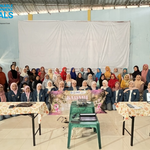
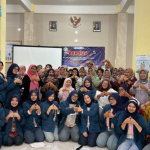
NERS NEWS — Thursday, April 30, 2026 — The Faculty of Nursing, Universitas Airlangga held a CoLeN (Collaborative Learning for Nurses) guest lecture on Thursday, April 30, 2026, conducted offline and attended by nursing students. The event featured Dr. Latifah Jehloh, a nursing lecturer from the Faculty of Nursing, Princess Naradhiwas University (PNU), Thailand, who also participated in the student inbound program.
The activity aimed to enhance students’ understanding of palliative care, particularly in caring for patients with incurable diseases. From the beginning of the session, the atmosphere was highly interactive through brief discussions initiated by questions exploring participants’ experiences and perspectives regarding palliative care.
In her presentation, Dr. Latifah Jehloh explained that palliative care is an approach focused on improving patients’ quality of life rather than solely pursuing recovery. The material covered the fundamental concepts of palliative care, its implementation in emergency departments, elderly patient care, and various barriers still encountered in current healthcare practices.
One of the key discussions during the session focused on factors influencing access to palliative care services for older adults with serious life-limiting illnesses. It was explained that access to palliative care in emergency departments is influenced by five interrelated factors: organizational support, healthcare worker training, cultural competence, healthcare workers’ attitudes, and the emergency department’s primary orientation toward life-saving interventions. Most of these barriers are considered modifiable through policy changes, improved education, and strengthened cultural awareness in healthcare services.
The speaker also highlighted the important role of nurses in this context. Nurses play a crucial role in initiating conversations about palliative care, advocating for patients, and bridging communication between patients and families. Early implementation of palliative care in emergency departments has been shown to improve patients’ quality of life, reduce unnecessary aggressive medical interventions, and preserve patients’ dignity at the end of life.
In addition, it was noted that many healthcare professionals still perceive success solely through the ability to save lives. This often creates dilemmas when patients choose Do Not Resuscitate (DNR) decisions, causing healthcare workers to feel unsuccessful because they cannot provide maximum intervention. However, within the palliative care approach, respecting patients’ decisions is considered an essential aspect of patient-centered care.
The event concluded with a lively question-and-answer session, where many participants raised crucial issues related to cultural, ethical, and patient preference aspects in healthcare decision-making. Through this activity, nursing students are expected to gain a more comprehensive understanding of palliative care while developing empathetic and professional communication skills. The activity also supports the achievement of the Sustainable Development Goals (SDGs), particularly Goal 3 (Good Health and Well-being) in improving patients’ quality of life and Goal 4 (Quality Education) through collaborative and international learning.
Writer: Fadilatul Azzahra
Editor: Nandyta Putri Rahmadhani (Airlangga Nursing Journalist)