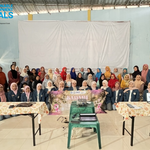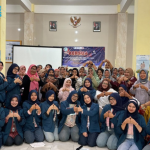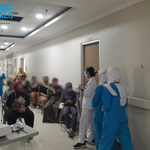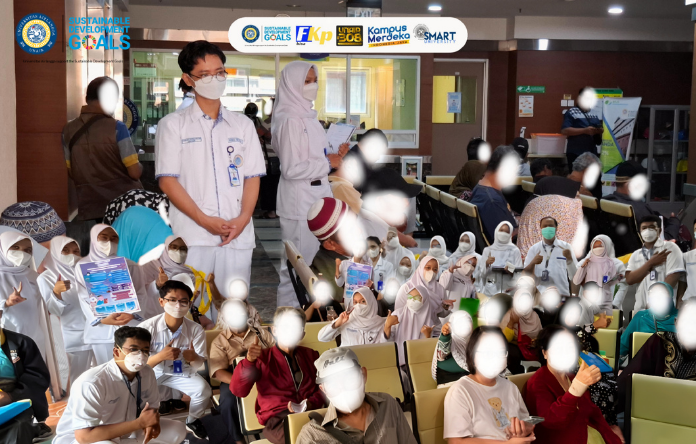
NERS NEWS – Surabaya, March 4, 2026 – Nursing Professional Practice students from the Faculty of Nursing, Universitas Airlangga conducted a Hospital Health Promotion (PKRS) activity themed “CERMAT: Preventing and Educating on Gastritis Risk through Proper Dietary Management” at the Pharmacy Waiting Area of the Graha Trimed Outpatient Clinic, 2nd Floor, Airlangga University Infectious Disease Hospital (RSKI). This activity was aimed at patients and their families to increase knowledge about gastritis and its prevention through regular eating patterns and healthy lifestyle management. Gastritis, or inflammation of the stomach lining, remains a common complaint found in healthcare services. This condition can be triggered by irregular eating patterns, consumption of spicy and fatty foods, stress, as well as infection with Helicobacter pylori.
The activity was carried out through a lecture and interactive discussion method using educational posters and leaflets so that the information could be easily understood and reviewed again at home. The material presented included the definition of gastritis, causes and risk factors, warning signs and symptoms, principles of nutritional intake management, recommended and restricted foods, simple meal scheduling, and safe fasting tips for individuals with gastritis. The activity was held on Wednesday, March 4, 2026, from 09:00–09:26 WIB and was attended by 35 participants, exceeding the initial target of 30 participants, consisting of patients and their family members in the pharmacy waiting area of the Graha Trimed Outpatient Clinic at RSKI Universitas Airlangga.
Participants showed strong enthusiasm through active participation in the question-and-answer session. Several questions raised included: “What are the signs that someone is experiencing gastritis?”, “How can gastritis be prevented from recurring?”, and “What is the difference between sucralfate and omeprazole?” The student team explained that gastritis is generally characterized by epigastric pain, a burning sensation in the stomach, nausea, vomiting, and discomfort in the upper abdomen. Gastritis prevention can be achieved by maintaining regular meal patterns, avoiding trigger foods such as spicy, acidic, and fatty foods, limiting caffeine consumption, and managing stress effectively. In treatment, sucralfate works by coating and protecting the stomach lining, while omeprazole works by reducing stomach acid production, thereby helping to minimize irritation of the gastric mucosa.
This activity was conducted under the supervision of the academic advisor Arina Qona’ah, S.Kep., Ns., M.Kep., and the clinical preceptor Ns. M. Syamsul Hidayat, S.Kep., Ns., M.Kes. Through this promotive and preventive initiative, the students also supported the achievement of the Sustainable Development Goals (SDGs), particularly SDG 3: Good Health and Well-being through increasing public knowledge about disease prevention, SDG 4: Quality Education through the delivery of accessible health education, and SDG 17: Partnerships for the Goals through collaboration between educational institutions and hospitals in improving public health outcomes.
Through this educational activity, it is hoped that patients and their families will become key supporters in maintaining appropriate dietary habits for individuals with gastritis, understand ways to prevent recurrence, and adopt healthy lifestyle behaviors so that the patients’ quality of life can improve.
Author: Abidah Lailia Khoirunnisa Budiarti
Editor: Raffa Nadiya Primatiana (Airlangga Nursing Journalist)