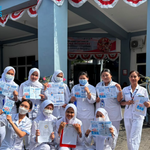
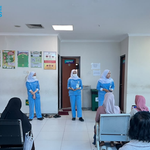
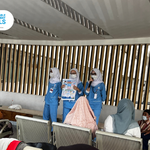
NERS NEWS – Nursing practice students of Universitas Airlangga conducted a Hospital Health Promotion Program (PKRS) in the form of a health education session regarding cognitive disorders, followed by Group Activity Therapy (TAK) consisting of brain exercises and puzzle games on Friday, March 13, 2026, at Griya Werdha Kalijudan. The activity was intended for elderly residents as an effort to improve their knowledge and maintain cognitive function.
The PKRS activity began with a health education session discussing cognitive disorders in older adults, including definitions, signs and symptoms, risk factors, as well as prevention and management strategies. The material was delivered directly through an interactive lecture method using leaflets, allowing participants to better understand the information presented while actively asking questions and engaging in discussion.
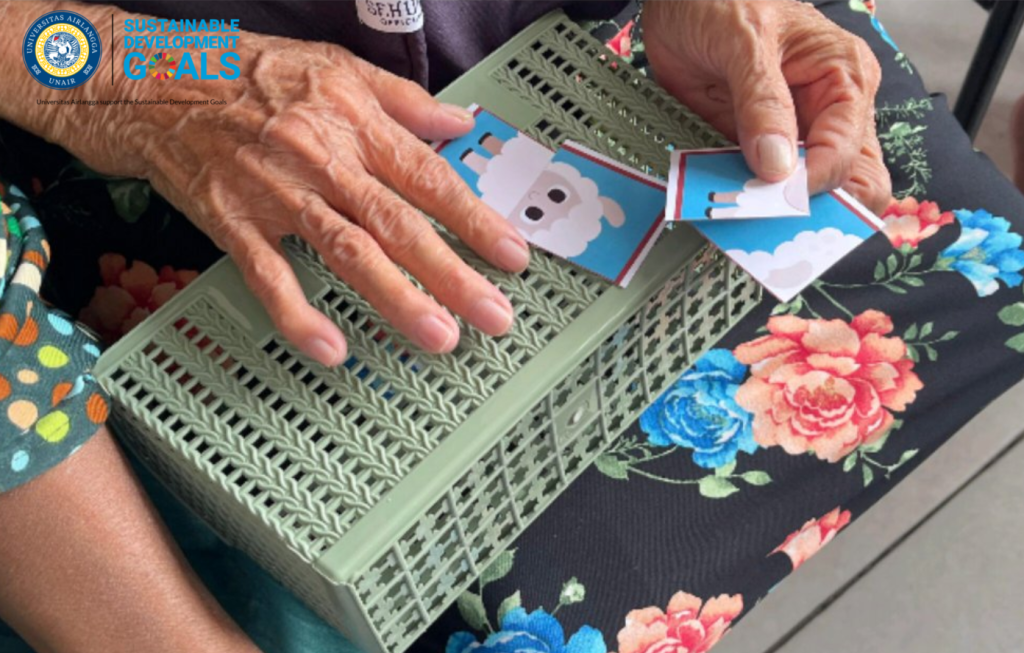
After the educational session, the program continued with Group Activity Therapy (TAK), which consisted of brain exercises and puzzle games. Brain exercises were conducted to train coordination and brain function, while puzzle games aimed to improve memory, concentration, and thinking skills among the elderly participants. The residents appeared enthusiastic and actively participated throughout the entire series of activities.
This program was organized by nursing practice students of Universitas Airlangga under the supervision of the clinical instructor at Griya Werdha Kalijudan. The activity was held on Friday, March 13, 2026, at 09:00 WIB and was attended by elderly residents of the facility.
The purpose of this activity was to enhance elderly participants’ knowledge regarding cognitive disorders while helping maintain and improve cognitive function through structured and enjoyable activities. This education and therapy are important considering that older adults are a group vulnerable to cognitive decline.
The program was also aligned with the United Nations Sustainable Development Goals (SDGs), particularly SDG 3 (Good Health and Well-Being) through efforts to improve elderly health and prevent cognitive decline, as well as SDG 4 (Quality Education) through the provision of health education to the community, especially older adults, so they may gain better understanding of cognitive health.

Through this activity, it is hoped that elderly participants will better understand their health conditions and be able to maintain cognitive function independently by practicing the activities that were taught. The program also reflects students’ contribution to improving the quality of life of older adults and supporting public health initiatives.
Writer: Hanin Shafa Ainayya