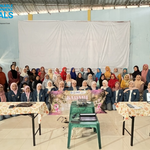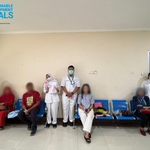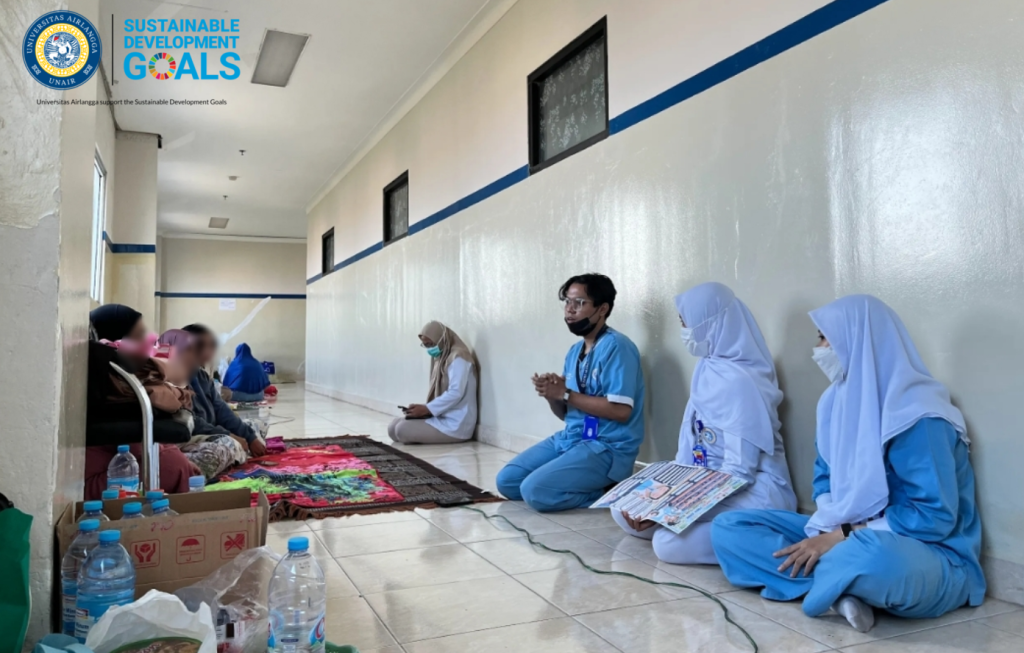
NERS NEWS — Nursing Profession students from Universitas Airlangga conducted a health education session titled “Recognizing Signs of Respiratory Distress in Children: Early Detection, Prompt Action, Save Lives” on Friday, July 17, 2026, in the NICU/PICU Waiting Area at Universitas Airlangga Hospital.
The activity was intended for families accompanying children receiving treatment in the NICU/PICU. The session began at 9:00 a.m. and was delivered through an interactive lecture and discussion. It opened with remarks from the moderator, followed by an introduction to the objectives of the session and the organizing team. The educational materials were presented by Alifiah Nabila Rahardi and Ferlina Ernanda Rohman, who explained the definition of pediatric respiratory distress, its causes, signs and symptoms, warning signs that require immediate attention, first-aid measures that can be performed at home, the appropriate time to seek medical care, and strategies to prevent respiratory disorders. The presentation was supported by leaflets and PowerPoint slides to help participants better understand the information.
Throughout the session, participants demonstrated a high level of enthusiasm. They actively listened to the presentation, asked questions, and responded to evaluation questions posed by the speakers. Facilitators also played an active role in guiding the discussion and encouraging participant engagement. At the end of the session, the moderator and speakers evaluated participants’ understanding through a question-and-answer session to assess whether the learning objectives had been achieved.
Through this educational program, families are expected to gain a better understanding of the signs of respiratory distress in children, enabling them to recognize symptoms early, provide appropriate first aid, and promptly seek medical attention when warning signs appear. Improved family knowledge is expected to reduce delays in managing pediatric respiratory emergencies and contribute to better patient safety and quality of life.
This health education activity also supports the Sustainable Development Goals (SDGs), particularly SDG 3: Good Health and Well-Being, which emphasizes improving public health through promotive and preventive efforts. Education on the early recognition of respiratory distress in children helps improve family health literacy, encourages timely access to medical care, and contributes to reducing childhood morbidity and mortality associated with respiratory illnesses. Overall, the program had a positive impact by enhancing participants’ knowledge, awareness, and preparedness to recognize respiratory emergencies, ultimately supporting faster intervention and improved child safety.
Writer: Group D2.2-B27