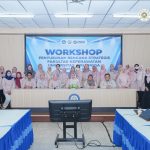
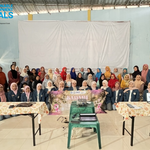
NERS NEWS—Adolescence is a period filled with transformations, ranging from physical and hormonal changes to emotional shifts. Amidst these changes, one critical aspect often goes overlooked: maintaining reproductive organ hygiene. This topic, which is frequently considered taboo, was addressed openly and in a youth-friendly manner through Reprocare (Reproduction Care)—an educational outreach program conducted by Faculty of Nursing Universitas Airlangga (Unair) at SMAN 2 Surabaya on Friday (10/16/2026).
The initiative was organized by Group 3, Class A-2 (Class of 2025) as part of their Project-Based Learning (PjBL) program. The educational session targeted 10th-grade students, who gathered in the school hall starting at 7:00 AM WIB.
From Daily Habits to Unnoticed Risks
The material presented in Reprocare focused on topics closely tied to adolescents’ daily routines. Common habits such as rarely changing underwear, improper cleaning techniques for intimate areas, inadequate hygiene during menstruation, or the excessive use of scented cleansing products can actually trigger irritation and infections. Given that the reproductive area is prone to moisture, proper hygiene serves as the key to prevention.
The speakers highlighted the importance of personal hygiene for reproductive health and demonstrated proper care practices. To keep the session engaging rather than lecture-like, the material was delivered through visual presentations and educational videos tailored to youth preferences. Participants were also encouraged not to hesitate in seeking professional medical help if they experience unusual symptoms or changes, and to always rely on accurate health information sources.
Interactive Engagement Beyond Passive Listening
The Q&A session created a comfortable space for students to ask questions about topics they might have previously kept to themselves. The initially hesitant atmosphere gradually warmed up as students actively participated. One notable question centered on the role of nutrition during puberty: “What nutrients support reproductive health?”
The presenters explained that iron helps prevent anemia caused by menstruation, zinc supports sexual maturation and hormone production, healthy fats like omega-3 act as building blocks for reproductive hormones, protein aids in tissue repair, and folic acid supports cell division. These essential nutrients can be obtained from everyday foods such as spinach, fish, eggs, tofu, avocados, and green leafy vegetables.

Another critical question raised was: “Does a healthy lifestyle, such as regular exercise and a balanced diet, guarantee complete protection against reproductive diseases, and how do we recognize the boundaries?” The presenters emphasized that while a healthy lifestyle significantly lowers risks, it does not offer absolute immunity. Therefore, students were reminded to consult healthcare professionals promptly whenever abnormal changes occur. To foster engagement, rewards were presented to active participants, as well as to those with the highest and fastest evaluation scores.
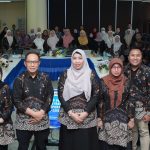
The event opened with welcoming remarks from the Event Chair, Ghania Kyla Al Hasbi; Faculty Advisor Dr. Candra Panji Asmoro, S.Kep., Ns., M.Kep.; and a representative from SMAN 2 Surabaya. The program concluded with a group photo session with all participants and committee members.
Beyond Knowledge: Cultivating Actionable Habits
Reprocare applies the Knowledge, Attitude, Practice (KAP) health promotion framework. The goal is to ensure adolescents not only understand the importance of reproductive hygiene but also adopt positive attitudes and consistently implement healthy habits in their daily lives.
“We want young people to no longer feel awkward discussing reproductive hygiene. Through Reprocare, we hope the students of SMAN 2 Surabaya will not only gain knowledge but also actively practice clean and healthy habits every day,” stated Event Chair Ghania Kyla Al Hasbi.
For the nursing students, this outreach provided practical experience in fulfilling their future roles as healthcare professionals—delivering accurate, communicative, and responsible health education. Ultimately, the students of SMAN 2 Surabaya are encouraged to serve as role models for healthy living among their peers and families.
This activity was guided by Course Director Ira Suarilah, S.Kp., MSc., Ph.D., alongside advisors Dr. Candra Panji Asmoro, S.Kep., Ns., M.Kep.; Neisya Pratiwindya Sudarsiwi, S.Kep., Ns., M.Kep.; and Dr. Mahfudli, S.Kep., M.Ked.Trop., MH, CMC.

Author: Eka Putri Rahmatul Candra (Group 3, Class A2, Class of 2025)
Editor: Farah Dina Azizatul Aulia (Airlangga Nursing Journalist)