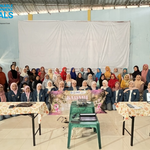
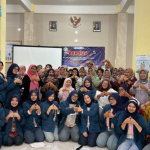
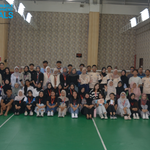
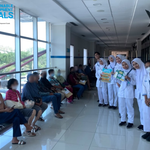
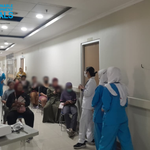
NERS NEWS — Students of the Nursing Professional Education Program, Faculty of Nursing, Universitas Airlangga, Group D4.2 B27, developed and distributed educational media in the form of leaflets on infection prevention in infants after intensive care in the NICU/PICU. This activity aims to increase parents’ knowledge in maintaining infant health during the recovery period at home through the implementation of clean and healthy living behaviors.
As an effort to improve families’ knowledge in caring for infants after intensive care, students of the Nursing Professional Education Program, Faculty of Nursing, Universitas Airlangga, Group D4.2 B27 conducted a health education activity through the distribution of leaflets and counseling on infection prevention in infants after NICU/PICU care. The materials provided included the importance of hand hygiene before touching the infant, exclusive breastfeeding, limiting visitors, maintaining household environmental cleanliness, completing immunizations, and recognizing signs and symptoms of infection that require immediate medical attention.

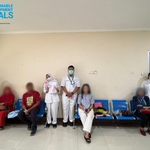
This educational activity involved students of the Nursing Professional Education Program, Faculty of Nursing, Universitas Airlangga, patients’ families, and healthcare staff working in the NICU/PICU ward. The activity was carried out in the NICU/PICU waiting area as a means of providing health information to parents and families accompanying infants undergoing treatment. Through direct interaction and informative leaflet media, participants were given the opportunity to discuss and ask questions related to infant care after discharge.
This activity was motivated by the high risk of infection in infants who have just completed intensive care due to their still vulnerable immune system. The aim of this activity is to improve families’ knowledge and readiness in providing independent care for infants at home in order to prevent infections and unwanted complications. The expected benefits of this activity include increased family awareness of the importance of infection prevention, the creation of a safer environment for infants, and a reduction in the risk of rehospitalization. This activity also supports the achievement of the Sustainable Development Goals (SDGs), particularly SDG 3 (Good Health and Well-Being) through efforts to improve infant health and prevent disease, as well as SDG 4 (Quality Education) through the provision of health education to the community.

“This educational activity is part of the Hospital Health Promotion (PKRS) Program, which aims to improve the knowledge and skills of patients and families in maintaining their health independently. Through education on infection prevention in infants after NICU/PICU care, it is expected that families will be able to apply appropriate home care, thereby reducing the risk of infection, preventing complications, and supporting optimal infant recovery,” said the Person in Charge of PKRS in the NICU/PICU Ward.
This educational activity supports several Sustainable Development Goals (SDGs), namely:
- SDG 3: Good Health and Well-Being.
- SDG 4: Quality Education.
- SDG 17: Partnerships for the Goals.

This activity is expected to increase family awareness and knowledge in caring for infants after intensive care. With proper implementation of infection prevention measures, the risk of disease can be minimized, thereby supporting optimal infant growth and development and contributing to improved public health status.
Writer: Imelda Mogu Rowa