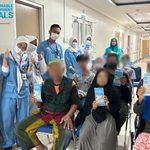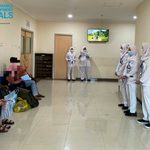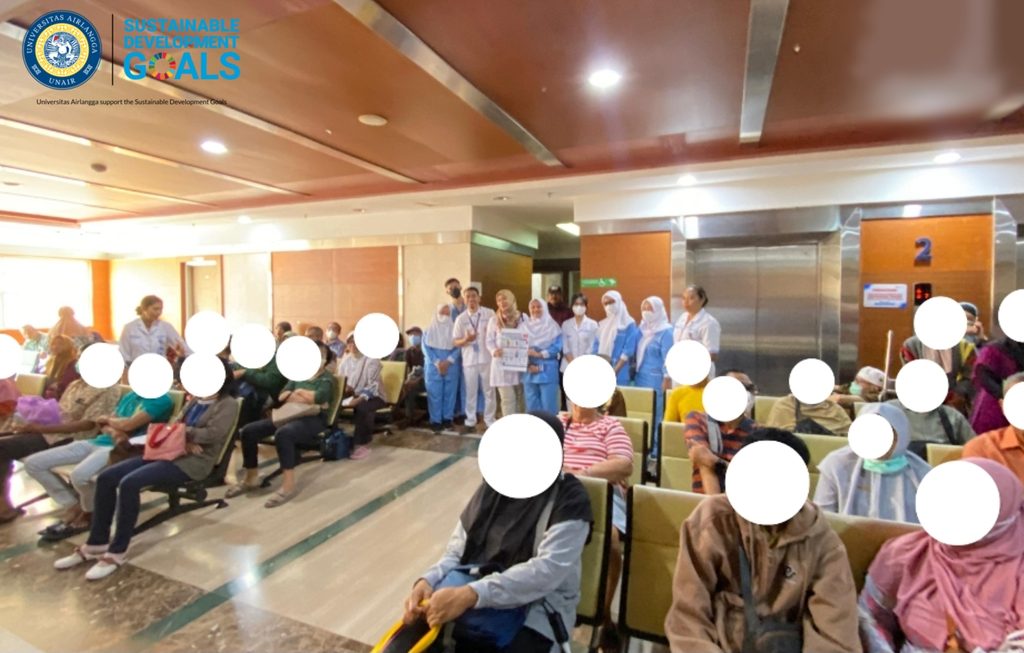
NERS NEWS — Nursing Profession students of Universitas Airlangga from the Gerontological Nursing rotation held a health education activity with the theme “Is It True That Taking Hypertension Medication Can Cause Kidney Failure?” on Friday, August 28, 2026, in the waiting room of the Pharmacy Department at Universitas Airlangga Special Infectious Disease Hospital. This activity aimed to increase patients’ and families’ knowledge regarding the relationship between hypertension, the use of antihypertensive medications, and kidney health, while also clarifying the misconception that long-term use of hypertension medication can cause kidney failure.
This health education activity focused on increasing patients’ and families’ understanding of hypertension as one of the health problems commonly found in the community. Hypertension often does not cause specific symptoms, so a person may not realize that their blood pressure is above the normal limit. If not controlled over the long term, hypertension can increase the risk of damage to various organs, including the kidneys.
During the activity, participants were educated about the functions of the kidneys in filtering blood, removing metabolic waste products, regulating fluid and electrolyte balance, and helping maintain blood pressure. Continuously high blood pressure can place a burden on the blood vessels in the kidneys and gradually cause damage to kidney function. Therefore, controlling blood pressure is an important step in maintaining kidney health.
The educational material also discussed the proper and safe use of antihypertensive medications. Participants were given an understanding that hypertension medications are used to help control blood pressure and reduce the risk of complications caused by hypertension. The misconception that antihypertensive medications generally cause kidney failure needs to be clarified, because uncontrolled hypertension can instead contribute to kidney damage.
Nevertheless, the use of antihypertensive medications still requires supervision by healthcare professionals. Some types of medication can affect kidney function or electrolyte levels under certain conditions, so their use needs to be adjusted to the patient’s condition and monitored through recommended examinations. Participants were also reminded not to reduce the dosage, skip medication schedules, or stop treatment on their own even if their blood pressure feels better.
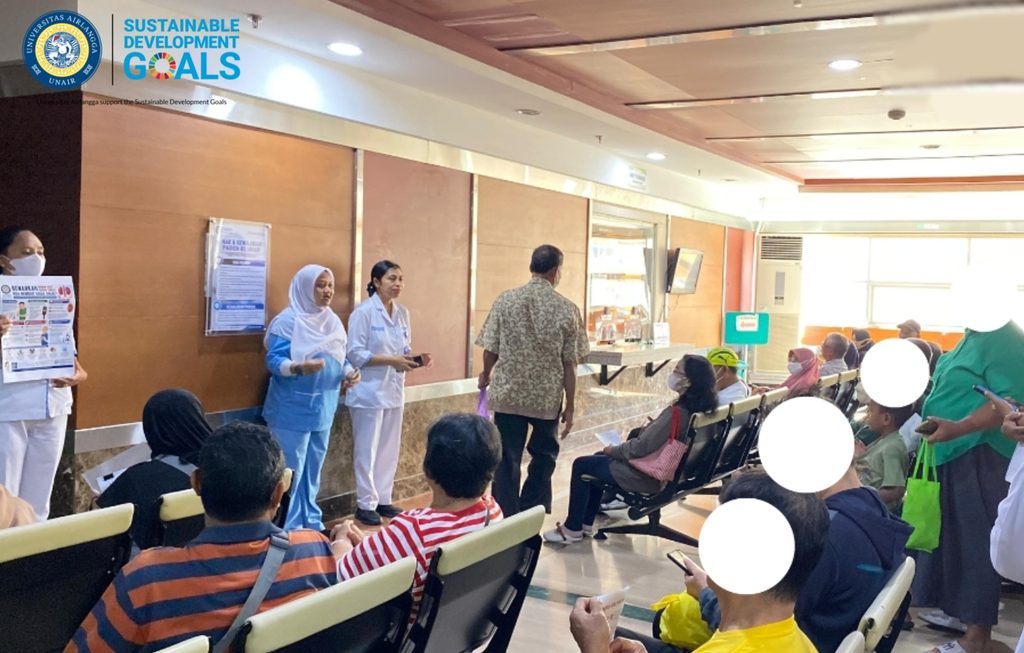
The health education was conducted in the waiting room of the Pharmacy Department at Universitas Airlangga Special Infectious Disease Hospital, allowing participants to receive education while waiting for medication services. The material was delivered using presentation media and leaflets with simple language so that information about hypertension, antihypertensive medications, and kidney health could be easily understood by patients and families.
Throughout the activity, participants showed enthusiasm by paying attention to the material presented and actively asking questions. Several questions discussed were related to the safety of long-term use of hypertension medications, the relationship between hypertension and kidney damage, and the importance of taking medication according to the prescription and undergoing regular health check-ups.
This activity was one of the efforts by Nursing Profession students of Universitas Airlangga to improve the health literacy of patients and families. Through the provision of accurate information, participants are expected to understand the importance of controlling blood pressure and not stop their medication on their own due to incorrect concerns about the effects of medication on the kidneys.
Through this health education, patients and families are expected to be wiser in using antihypertensive medications, follow the recommendations of healthcare professionals, and regularly monitor blood pressure and health conditions. Proper management of hypertension is expected to help prevent complications and maintain the health of the heart, blood vessels, and kidneys.
This activity supports several goals of the Sustainable Development Goals (SDGs), namely:
SDG 3: Good Health and Well-Being
This health education contributes to improving the health status of patients and families through education about hypertension, the proper use of antihypertensive medications, and the prevention of kidney complications. Increased knowledge is expected to encourage patients to adhere to their treatment, monitor their blood pressure, and undergo regular health check-ups.
SDG 4: Quality Education
The health education activity is a form of health education that provides patients and families with scientifically based information about hypertension, the use of antihypertensive medications, and kidney health. This education is expected to improve health literacy so that patients can understand their health conditions and make appropriate decisions in managing their treatment.
Through the health education activity in the waiting room of the Pharmacy Department at Universitas Airlangga Special Infectious Disease Hospital, patients and families are expected to gain a better understanding of the relationship between hypertension, the use of antihypertensive medications, and kidney health. The information provided is expected to clarify the perception that hypertension medications generally cause kidney failure and encourage patients not to stop or change their treatment on their own.
Controlling blood pressure through adherence to medication as recommended by healthcare professionals, adopting a healthy lifestyle, and undergoing regular health check-ups are important steps in preventing hypertension complications. Continuous health education is expected to increase patients’ awareness of maintaining their health and support the achievement of sustainable development goals in the health sector.
Writer: Adinda Safitri