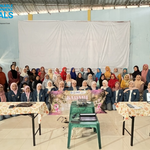
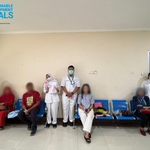
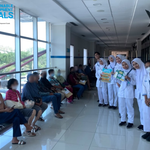
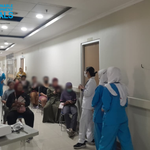
NERS NEWS — Nursing Profession students from Group B27 conducted a Hospital Health Promotion Program (PKRS) on the prevention and management of anemia in children at the Pediatric Clinic of Universitas Airlangga Hospital on Thursday, June 18, 2026, at 09:30 AM. The activity was attended by patients’ parents, pediatric patients, and family members waiting for healthcare services. Through this program, the students provided information about anemia in children as one of the common health problems that can affect children’s growth and development if not properly managed.
The activity was carried out interactively through material presentations, discussions, and question-and-answer sessions. The topics covered included the definition of anemia, causes and risk factors of anemia in children, signs and symptoms to watch for, as well as prevention and management strategies. In addition, participants received information about the importance of balanced nutrition, particularly the consumption of foods rich in iron, vitamin C, and other nutrients essential for red blood cell formation.
This educational activity was conducted by Nursing Profession students from Group B27 with assistance from healthcare workers at the Pediatric Clinic of Universitas Airlangga Hospital. Throughout the activity, participants showed great enthusiasm during the session. Several parents asked questions about why children may appear weak, have poor appetite, feel sleepy easily, and how to increase hemoglobin levels through daily dietary intake. The discussion provided participants with the opportunity to obtain accurate information regarding anemia prevention and management in children.
This activity aimed to improve parents’ knowledge and awareness regarding the importance of anemia prevention from an early age. Untreated anemia can negatively affect children’s health and development, including reduced immunity, impaired concentration in learning, and delayed growth and development. Therefore, meeting children’s nutritional needs and conducting regular health check-ups are important steps in maintaining children’s health. This activity also supports the achievement of the Sustainable Development Goals (SDGs), particularly Goal 3: Good Health and Well-Being, which focuses on improving public health and well-being.
This health education activity is also aligned with the efforts of the World Health Organization to reduce the prevalence of anemia in children through improved nutritional quality and early detection. The WHO states that anemia remains one of the major public health problems affecting children and can impact their growth, development, and learning abilities. Therefore, increasing parents’ knowledge about healthy dietary patterns and anemia prevention is an important step in supporting optimal child growth and development.
Through this PKRS activity, it is hoped that parents and families will better understand the importance of maintaining children’s nutritional intake and recognizing early signs of anemia. With increased public knowledge regarding anemia, it is expected that the prevalence of anemia in children can be reduced, allowing children to grow and develop optimally. This activity also serves as a contribution from nursing profession students in supporting healthcare services that focus not only on curative care but also on promotive and preventive efforts to improve community health.
Writers: Rista Febrianti and Nur Laily Farida Sofianingtyas